Your home is likely the biggest financial investment you will ever make. At the very top of that investment sits your roof, serving as the ultimate shield against heavy rain, scorching sun, and freezing winds. When a roof begins to age or suffers severe storm damage, your entire property is put at risk. Water can slowly seep into your attic, rot your wooden framing, ruin your insulation, and cause dangerous mold growth inside your walls. Because the stakes are so incredibly high, deciding who will work on your home is a massive decision.
Unfortunately, the home improvement industry can be tricky to navigate. Many homeowners make the mistake of simply hiring the first person who knocks on their door or picking the absolute lowest bid they find online. This often leads to incomplete work, hidden fees, or a roof that fails years before it should.
Taking control of your home projects requires you to act like an interviewer. By asking targeted, specific questions, you can easily separate the true professionals from the dishonest operators who are just looking for a quick paycheck. Asking the right questions helps protect your hard-earned budget, ensures your family stays safe, and gives you total peace of mind throughout the entire construction process. This comprehensive guide will walk you through the essential questions you need to ask every single contractor before you sign a contract or hand over a single dollar.
Are They Properly Licensed and Insured for Your Area?

Before you discuss materials, look at design options, or talk about scheduling, you must verify that the professional is legally allowed to work on your home. Every state, city, and county has specific rules regarding construction licenses. A valid license proves that the business has met the basic legal standards, understands local building codes, and is registered with government consumer protection agencies. If a worker cannot quickly provide their license number, you should end the conversation immediately.
Beyond a license, general liability insurance and workers’ compensation insurance are absolute necessities. General liability insurance covers any accidental damage done to your house during the project. For example, if a heavy bundle of materials drops and smashes through your bedroom window, this insurance pays for the repairs. Workers’ compensation insurance protects you if a crew member gets hurt while on your property. Roofing is ranked as one of the most dangerous jobs in the country. If a laborer slips off a ladder and the company lacks proper insurance, you could legally be held responsible for their medical bills and lost wages.
When you ask about these legal protections, use these specific action steps to verify the information:
- Ask for written certificates: Do not just take a verbal promise. Request copies of both their current license and insurance certificates.
- Check the expiration dates: Make sure the policies are active and will remain active through the entire duration of your project.
- Call the insurance provider: Take five minutes to call the insurance agency listed on the certificate to confirm that the policy is fully paid up and valid.
- Look up the license online: Visit your state’s contractor licensing board website and type in their license number to check for any active violations or suspensions.
When vetting a roofing contractor, checking their legal standing is your absolute first line of defense against scams. An uninsured worker pretending to be a professional roofer can leave you with massive legal and medical bills if an accident occurs on your roof.
Do You Have a Physical Office and Recent Local References?
The construction industry is frequently flooded with temporary companies that travel from town to town looking for quick work. These businesses often arrive right after a severe hailstorm or major storm hits an area. They drive through neighborhoods, offer low prices, collect insurance money, install low-quality materials, and then disappear overnight. If your roof begins leaking six months later, you will quickly find that their phone number is disconnected, and you have no way to get your money back or fix the bad work.
To avoid this nightmare, you need to verify that the business has deep roots in your community. A permanent, physical office building is a great sign that the company is stable and plans to stay in business for a long time. You also want to talk to other homeowners in your immediate area who have used them recently. Speaking with actual past clients gives you an honest look at how the company treats its customers, how clean they keep the job site, and whether they finish projects on schedule.
When evaluating their community reputation, keep these important factors in mind:
- Demand a physical street address: Avoid any business that only lists a P.O. Box, as this makes it incredibly easy for them to vanish.
- Request three local references: Ask for the names and phone numbers of three customers who live in your area and had similar work completed within the past year.
- Call the references directly: Ask the past clients if the crew arrived on time, if the final price matched the original estimate, and if they would hire the company again.
- Analyze online reviews carefully: Look at websites like the Better Business Bureau. Pay close attention to how the company responds to complaints, as a professional business will always try to fix mistakes calmly and fairly.
Choosing an established local roofing company ensures they will actually be around to honor their warranty years down the road. Investing in trusted local roofing services means you are hiring a team that thoroughly understands your region’s specific weather challenges, winter snow loads, and local building codes.
What Specific Materials and Techniques Will Be Used on Your House?

A roof is not just a collection of shingles slapped over wood. It is a highly complex engineering system made of multiple layers that must all work perfectly together to shed water and ventilate your home. When you interview a professional, they should be able to explain exactly what materials they are using and why they chose them for your specific home layout.
One of the most important technical questions to ask is whether they plan to perform a complete tear-off or a simple nail-over. A complete tear-off means the crew removes every single old layer down to the bare wooden decking. This allows them to inspect the wood for hidden rot, water stains, or structural sagging and fix those issues before putting down new materials. A nail-over is when a crew simply nails new shingles directly over the old, damaged ones. While a nail-over is cheaper upfront, it adds massive weight to your house, traps heat, and completely hides dangerous wood rot that will eventually destroy your ceiling.
Make sure your written estimate includes clear details about these vital local roofing services:
- Drip edge installation: This is a metal flashing installed along the edges of your roof that guides water away from your fascia boards and directly into your gutters.
- Underlayment quality: This is a water-resistant barrier installed directly on top of the wood decking to provide a secondary line of defense against leaks. Synthetic underlayment is much stronger and lasts longer than traditional felt paper.
- Ice and water shield: A thick, waterproof membrane that must be installed in valleys, around chimneys, and along eaves to protect against ice dams and pooling water.
- Attic ventilation options: A proper balance of intake vents under the roof overhang and exhaust vents along the roof ridge keeps your attic cool, lowers your energy bills, and prevents shingles from baking from the inside out.
If you are replacing a standard home, ask if they specialize in a durable asphalt shingle roof to get the best balance of cost and longevity. A reliable team will explain exactly which local roofing services are included in your quote, from the initial inspection to the final ridge cap installation.
How Is the Final Project Cost Calculated and Documented?

Money is the most common source of friction between homeowners and contractors. To protect your wallet, you must understand exactly how your estimate was created and what happens if unexpected costs pop up during the project. A professional business will always provide a highly detailed, itemized written proposal. You should never accept a simple handwritten note that just shows a single total price without any breakdown.
The highest hidden cost in construction happens when workers uncover hidden damage. When old materials are torn away, the crew might find that the underlying plywood decking is completely rotten or broken. Replacing this wood is absolutely necessary, but it requires extra labor and materials that were not included in the original bid. You need to know exactly how much the company charges per sheet of plywood ahead of time so you do not receive a shocking bill at the very end of the job.
To keep your finances safe and organized, follow these strict rules:
- Insist on an itemized estimate: The quote must separately break down the costs for labor, specific material brands, disposal fees, permits, and taxes.
- Establish a clear change order process: Ensure the contract states that no extra work can be performed or billed without your written signature on an official change order form.
- Avoid large upfront deposits: Be highly suspicious of anyone asking for a massive cash payment before materials arrive. A standard payment schedule involves a small deposit to secure the date, a middle payment when materials are delivered, and a final payment only after the work is completed and inspected.
- Get a clear lien waiver: Before handing over the final payment, make sure you receive a signed document proving that the contractor has fully paid their material suppliers and laborers, ensuring no one can place a legal claim against your home.
Gathering detailed quotes from multiple roofing companies allows you to accurately compare labor and material costs side-by-side. Make sure the written contract clearly defines whether you are paying for a simple, localized roof repair or a full structural overhaul.
Who Will Be on Your Property Managing the Daily Work?
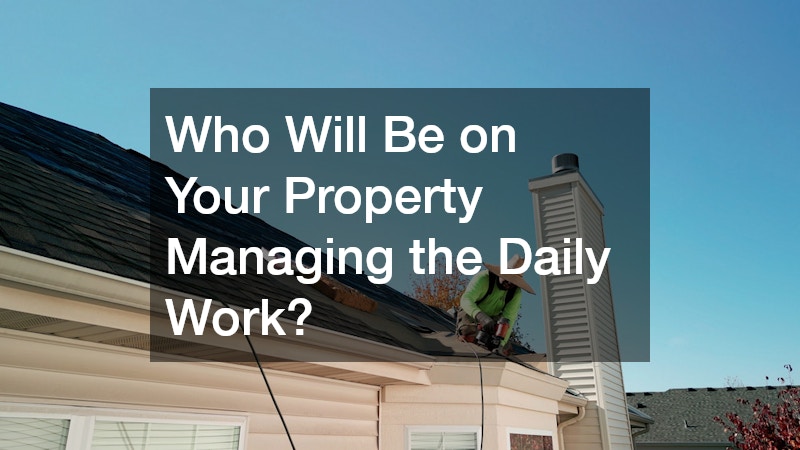
When you talk to a friendly project estimator, it is easy to assume that they will be the person standing on your roof swinging a hammer. However, in the construction world, sales reps rarely manage the actual job site. Many companies hire third-party crews or subcontractors to do the physical labor. While using subcontractors is a common practice, you need to know exactly who will be operating heavy machinery and walking around on your property every day.
You must ask if there will be a dedicated, English-speaking job superintendent or foreman on-site at all times. If a problem occurs, your gutters get damaged, or you notice a mistake, you need to know exactly who is in charge so you can address the issue immediately. Furthermore, a heavy construction project can easily destroy your landscaping, crack your concrete driveway, and leave thousands of dangerous metal nails hidden in your grass. You need to ask what specific steps the crew will take to minimize damage and clean up your yard when they are finished.
Make sure you ask the manager these property protection questions before any work begins:
- Who is the main point of contact? Get the name and direct cell phone number of the specific supervisor who will be on-site, monitoring the daily labor.
- How will they protect your yard? Ask if they use heavy tarps to shield your bushes, flowers, and windows from falling debris during the tear-off phase.
- Where will materials and dumpsters be placed? Ensure heavy trailers or dumpsters are placed on protective wooden planks so they do not crack your concrete driveway.
- What is the daily cleanup routine? The crew must use a powerful magnetic roller across your entire lawn, patio, and driveway every afternoon to collect dropped nails before your children or pets step on them.
An experienced residential roofing contractor will always keep a designated supervisor on-site to monitor safety and installation quality. Before the crew arrives, ask how many workers will be present to ensure a swift and efficient new roof installation.
Conclusion
Hiring a construction expert does not have to be a stressful guessing game. By taking the time to ask these detailed questions, you shift the balance of power back into your own hands. A true professional who takes pride in their work will always welcome your questions. They will answer them openly, provide all necessary paperwork cheerfully, and explain their processes clearly because they have absolutely nothing to hide. On the other hand, if a worker gets defensive, gives vague answers, or tries to rush you into signing a contract, you should take that as a massive warning sign and walk away.
Remember that your home deserves the highest quality care possible, and your budget deserves to be respected. Do not feel bad about asking for proof of insurance, demanding local references, or asking for itemized cost breakdowns. By doing your homework upfront and choosing a qualified, transparent professional, you ensure that your home remains safe, dry, and beautiful for decades to come.