When homeowners plan to build equity or prepare a home for the real estate market, indoor renovations like kitchen remodels and bathroom updates usually top the list. However, real estate appraisers, buyers, and industry professionals consistently emphasize that the exterior of your property sets the tone for your entire home’s market performance. Curb appeal creates an immediate emotional connection, but comprehensive outdoor upgrades go far beyond superficial aesthetics.
Investing in your land, exterior structures, hardscaping, and utility infrastructure offers a dual benefit: it elevates your daily quality of life while significantly boosting your property valuation. A well-maintained exterior signals to prospective buyers that the entire home has been cared for with diligence and attention to detail. Conversely, an overgrown yard, cracked driveway, or failing underground system can lead to discounted offers or deal-ending inspection reports.
Transforming an ordinary lot into a valuable, high-demand asset requires a strategic blend of visual enhancements, structural upkeep, and mechanical care. By evaluating your property through the lens of return on investment, long-term durability, and buyer appeal, you can execute exterior projects that yield maximum financial returns.
Strategic Hardscaping and Architectural Curb Appeal
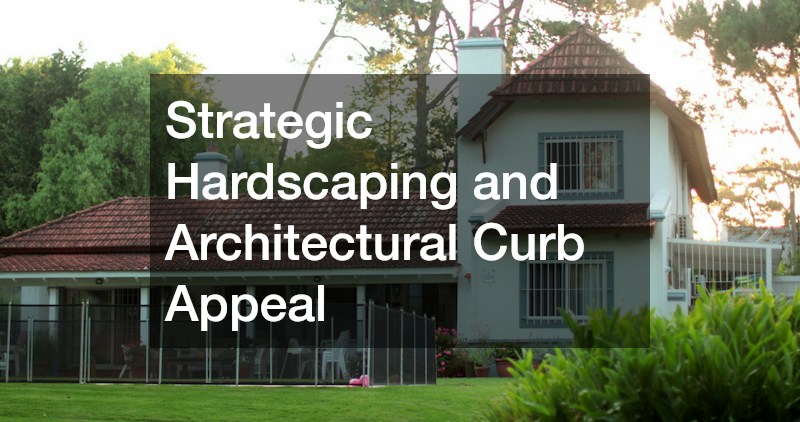
The entry point of your property forms the first impression for visitors, appraisers, and potential buyers. Because the garage and driveway often make up 30% or more of a home’s front facade, aging mechanisms or weathered surfaces negatively impact your entire property’s visual footprint. Upgrading these functional features quickly transforms a house from outdated to contemporary. Replacing an old, noisy overhead door with an insulated, modern panel model delivers one of the highest returns on investment among all residential home improvement projects. Beyond visual symmetry, upgraded garage mechanisms improve home energy efficiency, reduce thermal transfer into adjacent living spaces, and enhance overall household security. Scheduling a routine garage door service ensures that high-tension springs, tracks, and automatic openers operate smoothly, preventing unexpected failures and preserving curb appeal.
Moving from the driveway into the backyard, functional outdoor living areas serve as seamless extensions of your indoor square footage. Modern buyers actively seek dedicated zones for entertaining, outdoor dining, and relaxation. Poured concrete slabs tend to crack, heave, and show unsightly weather stains over time, whereas professionally designed stone or concrete unit pavers offer superior longevity and flexibility. Contracting a skilled paver company to construct custom patios, retaining walls, fire pits, and primary pathways establishes an elegant structure across your landscape. Interlocking pavers accommodate ground shifts without cracking, drain water effectively, and withstand severe freeze-thaw cycles. This structural durability gives prospective buyers confidence that they are purchasing a low-maintenance, move-in-ready outdoor oasis.
To ensure your hardscaping projects deliver the maximum equity boost, consider the following best practices during the design phase:
-
Maintain Architectural Continuity: Choose paver tones, textures, and brick styles that complement your home’s exterior stone, brick, or siding rather than competing with it.
-
Prioritize Proper Sub-Base Preparation: Ensure your contractor excavates to an adequate depth, installs compacted aggregate bases, and integrates geotextile fabrics to prevent settling, weed intrusion, and uneven walking surfaces.
-
Integrate Built-In Functionality: Incorporate functional features directly into hardscape designs, such as seating walls, stone planters, or dedicated cutouts for outdoor kitchens and fire elements.
-
Focus on Surface Drainage: Design hardscape slopes that divert rainwater safely away from your home’s foundation and neighboring structures to avoid pooling or erosion.
Professional Landscape Architecture and Illumination
A scattered collection of random bushes and flower beds often feels chaotic rather than welcoming. A cohesive, professionally planned landscape, on the other hand, raises perceived property value instantly. Engaging a qualified landscape designer ensures your property features a unified vision tailored to your specific lot conditions, architecture, and climate. These professionals understand plant maturity scales, ensuring that trees and shrubs planted today will not overcrowd your home, block light, or damage foundations in ten years. Strategic design incorporates native flora, balanced perennial bloom cycles, hydro-zoning for water efficiency, and structural privacy screens. A well-designed landscape transforms a basic yard into a secluded retreat, making the property far more attractive to buyers willing to pay a premium for move-in-ready outdoor spaces.
Once your physical landscape is established, extending its functionality into the evening hours multiplies its value. Thoughtfully designed low-voltage lighting highlights architectural details, illuminates mature tree canopies, and elevates outdoor living spaces after dark. Installing strategic landscape lighting improves safety along walkways and stairs while acting as a proven security deterrent against intruders. Warm LED fixtures placed strategically around entryways, patio margins, and specimen plants create an inviting atmosphere that shines during evening viewings.
When planning exterior lighting and green space upgrades to maximize property value, keep these core principles in mind:
-
Layer Your Illumination: Combine path lighting for safe navigation, accent uplighting to highlight focal plants or textured walls, and soft ambient lighting around seating areas.
-
Use Energy-Efficient LED Systems: Choose commercial-grade low-voltage LED fixtures and smart transformers that can be programmed via smartphone apps, appealing to tech-focused buyers.
-
Focus on Scale and Proportions: Select plants and ornamental trees whose mature heights match the elevation of your home, avoiding dense growth that obscures windows or architectural features.
-
Establish Privacy Naturally: Utilize layered evergreen trees, dense hedging, and strategic bamboo or ornamental grass screens along property borders to block unwanted views and reduce street noise.
Maintaining Turf Health and Lawn Care Equipment
A lush, vibrant, weed-free lawn serves as the canvas for your entire exterior space. Dense green turf frames your hardscaping, highlights your garden beds, and offers an open space for recreation. However, achieving a thick, disease-resistant lawn requires consistent soil nutrition, proper aeration, and calibrated fertilization. Applying granular or liquid soil amendments evenly across large open spaces requires specialized equipment to prevent patchy growth or chemical burn. High-quality fertilizer spreaders ensure uniform nutrient delivery, helping turf develop deep, resilient root systems that withstand summer heat waves and winter cold spells. A thick, well-nourished lawn naturally crowds out weeds, preventing invasive species from taking root and diminishing your curb appeal.
Achieving a healthy, golf-course-quality lawn also depends directly on the quality of your maintenance routine and the tools you use. Cutting grass with dull mower blades or misaligned decks tears individual grass blades rather than slicing them cleanly. Shredded grass tips turn brown, lose moisture rapidly, and create entry points for fungal diseases and pest infestations. Keeping your yard machinery running smoothly through timely lawn mower repairs ensures crisp, healthy cuts every week. Sharp blades, balanced engine tuning, and proper deck heights protect your lawn investment, ensuring your grass retains its rich color and uniform texture throughout the growing season.
Consider these turf care strategies to preserve property values and maintain pristine outdoor spaces:
-
Calibrate Equipment Regularly: Test and adjust delivery gates on your broadcast or drop equipment every season to prevent over-applying nutrients, which causes striping or chemical burn.
-
Maintain Sharp Mower Blades: Sharpen or replace mower blades every 20 to 25 hours of operation to maintain clean cuts that promote rapid grass recovery and disease resistance.
-
Adjust Cutting Heights Seasonally: Raise your mower deck height during hot summer months to encourage deeper root growth and provide natural shade to soil, locking in moisture.
-
Follow a Regional Feeding Schedule: Apply nitrogen, phosphorus, and potassium based on seasonal soil tests rather than arbitrary calendar dates to give your turf type exactly what it needs.
Critical Underground Infrastructure and Waste Management
While surface aesthetics capture buyer attention, functional underground utilities safeguard property transactions and protect appraisal values. Off-grid or suburban homes relying on private subterranean waste systems face intense inspection scrutiny during real estate sales. A compromised, aging, or undersized system can delay closings, force massive price concessions, or cause sales contracts to collapse entirely. Investing in a modern septic tank installation eliminates major buyer hesitation by providing a clean, fully compliant, high-capacity system built to serve the residence for decades. Replacing an outdated concrete or steel tank with an advanced, corrosion-resistant model reassures buyers that they won’t face emergency repairs or environmental compliance issues shortly after move-in.
Alongside waste management, structural protection against subsurface pests plays a crucial role in preserving your home’s structural integrity and resale value. Termites, carpenter ants, burrowing rodents, and subterranean pests cause thousands of dollars in hidden damage to foundations, support beams, exterior decks, and soil stability. Engaging professional pest control services creates a protective barrier around your home’s footprint. Regular inspections, perimeter treatments, and active baiting systems prevent structural damage before it starts. Documenting a continuous history of preventative inspections and treatments gives home inspectors and appraisers proof that the structure is secure, well-maintained, and free from wood-destroying organisms.
To ensure your underground systems and home structure remain in optimal condition, incorporate these vital maintenance routines:
-
Schedule Regular System Inspections: Have subterranean tanks inspected every one to three years by certified technicians to check sludge layers, mechanical baffles, and effluent filters.
-
Protect Absorption Drain Fields: Keep heavy vehicles, structural builds, and deep-root trees far away from absorption areas to prevent pipe crushing and soil compaction.
-
Maintain Perimeter Defenses: Keep soil, mulch, and firewood piles at least six inches away from exterior siding to remove easy bridges for wood-destroying pests.
-
Address Moisture Accumulation Immediately: Fix leaky hose bibs, clear gutter downspouts, and ensure soil slopes away from your foundation, as damp wood and standing water attract pests.
Managing Trees and Water Features for Safety and Luxury
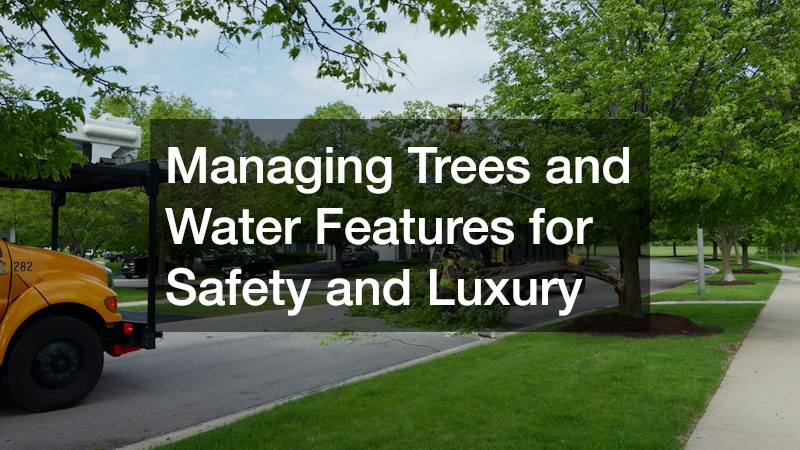
Mature trees offer incredible value to residential properties, adding beauty, natural shade, lower cooling costs, and refined charm that takes decades to replicate. However, neglected trees pose significant financial and physical hazards. Deadwood, decay, overgrown limbs touching rooflines, and unstable root networks threaten your roof, gutters, driveways, and underground plumbing. Hiring certified arborists to inspect and manage your canopy ensures your trees remain healthy and safe. Professional pruning removes hazardous limbs, improves sunlight penetration to grass below, and structurally balances heavy branches before severe storms strike. Caring for mature trees preserves valuable shade assets while preventing costly property damage.
Similarly, luxury aquatic features like swimming pools, spas, and decorative fountains can serve as major selling points or significant liabilities, depending entirely on their condition. A neglected pool with chemical imbalance, algae-stained plaster, cracked tile lines, or failing pump motors turns potential buyers away instantly. Comprehensive pool cleaning and maintenance keeps water crystal clear, protects structural surfaces from chemical degradation, and extends the lifespan of expensive filtration, heating, and pumping systems. A pristine, smoothly running pool transforms your backyard into an attractive resort-style amenity, helping your listing stand out in competitive real estate markets.
Maximizing Returns on Exterior Investments
To achieve the highest potential equity returns from outdoor projects, approach property improvements with a clear plan. Focus on balanced investments that merge practical maintenance with striking visual appeal.
By addressing structural safety, functional living areas, and routine upkeep simultaneously, you build a home exterior that minimizes ongoing headaches and captures maximum market value.
Prioritize Infrastructure Before Aesthetics
Never cover up foundational or structural issues with quick surface fixes. Installing a custom stone patio over a collapsing drainage field or planting expensive shrubs around a termite-damaged foundation leads to wasted money down the road. Resolve high-risk utility, structural, and pest issues first. Once your property’s foundational integrity is secure, shift your budget toward visible hardscaping, high-end lighting, and decorative plant design.
Focus on High-Yield Projects
While personal preferences vary, certain outdoor upgrades consistently yield higher financial returns than others during appraisals and resales:
-
Garage and Entryway Refreshes: Modernized, insulated overhead doors consistently rank near the top of nationwide cost-vs-value home improvement reports.
-
Professional Hardscapes: Interlocking stone patios and walkways expand usable living space and offer long-term durability that outlasts traditional timber decks.
-
Strategic Lighting and Greenery: Low-voltage LED systems and low-maintenance native plantings deliver high visual impact for a relatively modest investment.
-
Turnkey Recreational Amenities: Clean, fully functional, and energy-efficient swimming pools appeal directly to lifestyle buyers looking for move-in-ready luxury.
Document Professional Care and Warranties
Save every receipt, service contract, inspection report, and transferable warranty for your exterior investments. Detailed record-keeping builds buyer trust and validates your asking price.
Long-Term Equity and Property Stewardship
Enhancing property value through outdoor improvements is not a one-time event, but an ongoing process of smart investment and consistent stewardship. Every strategic choice—from updating primary access points and laying durable stonework to securing underground waste infrastructure and maintaining healthy turf—contributes directly to your home’s financial baseline.
When homeowners plan to build equity or prepare a home for the real estate market, indoor renovations like kitchen remodels and bathroom updates usually top the list. However, real estate appraisers, buyers, and industry professionals consistently emphasize that the exterior of your property sets the tone for your entire home’s market performance. Curb appeal creates an immediate emotional connection, but comprehensive outdoor upgrades go far beyond superficial aesthetics.
Investing in your land, exterior structures, hardscaping, and utility infrastructure offers a dual benefit: it elevates your daily quality of life while significantly boosting your property valuation. A well-maintained exterior signals to prospective buyers that the entire home has been cared for with diligence and attention to detail. Conversely, an overgrown yard, cracked driveway, or failing underground system can lead to discounted offers or deal-ending inspection reports.
Transforming an ordinary lot into a valuable, high-demand asset requires a strategic blend of visual enhancements, structural upkeep, and mechanical care. By evaluating your property through the lens of return on investment, long-term durability, and buyer appeal, you can execute exterior projects that yield maximum financial returns.
Strategic Hardscaping and Architectural Curb Appeal
The entry point of your property forms the first impression for visitors, appraisers, and potential buyers. Because the garage and driveway often make up 30% or more of a home’s front facade, aging mechanisms or weathered surfaces negatively impact your entire property’s visual footprint. Upgrading these functional features quickly transforms a house from outdated to contemporary. Replacing an old, noisy overhead door with an insulated, modern panel model delivers one of the highest returns on investment among all residential home improvement projects. Beyond visual symmetry, upgraded garage mechanisms improve home energy efficiency, reduce thermal transfer into adjacent living spaces, and enhance overall household security. Scheduling a routine garage door service ensures that high-tension springs, tracks, and automatic openers operate smoothly, preventing unexpected failures and preserving curb appeal.
Moving from the driveway into the backyard, functional outdoor living areas serve as seamless extensions of your indoor square footage. Modern buyers actively seek dedicated zones for entertaining, outdoor dining, and relaxation. Poured concrete slabs tend to crack, heave, and show unsightly weather stains over time, whereas professionally designed stone or concrete unit pavers offer superior longevity and flexibility. Contracting a skilled paver company to construct custom patios, retaining walls, fire pits, and primary pathways establishes an elegant structure across your landscape. Interlocking pavers accommodate ground shifts without cracking, drain water effectively, and withstand severe freeze-thaw cycles. This structural durability gives prospective buyers confidence that they are purchasing a low-maintenance, move-in-ready outdoor oasis.
To ensure your hardscaping projects deliver the maximum equity boost, consider the following best practices during the design phase:
-
Maintain Architectural Continuity: Choose paver tones, textures, and brick styles that complement your home’s exterior stone, brick, or siding rather than competing with it.
-
Prioritize Proper Sub-Base Preparation: Ensure your contractor excavates to an adequate depth, installs compacted aggregate bases, and integrates geotextile fabrics to prevent settling, weed intrusion, and uneven walking surfaces.
-
Integrate Built-In Functionality: Incorporate functional features directly into hardscape designs, such as seating walls, stone planters, or dedicated cutouts for outdoor kitchens and fire elements.
-
Focus on Surface Drainage: Design hardscape slopes that divert rainwater safely away from your home’s foundation and neighboring structures to avoid pooling or erosion.
Professional Landscape Architecture and Illumination
A scattered collection of random bushes and flower beds often feels chaotic rather than welcoming. A cohesive, professionally planned landscape, on the other hand, raises perceived property value instantly. Engaging a qualified landscape designer ensures your property features a unified vision tailored to your specific lot conditions, architecture, and climate. These professionals understand plant maturity scales, ensuring that trees and shrubs planted today will not overcrowd your home, block light, or damage foundations in ten years. Strategic design incorporates native flora, balanced perennial bloom cycles, hydro-zoning for water efficiency, and structural privacy screens. A well-designed landscape transforms a basic yard into a secluded retreat, making the property far more attractive to buyers willing to pay a premium for move-in-ready outdoor spaces.
Once your physical landscape is established, extending its functionality into the evening hours multiplies its value. Thoughtfully designed low-voltage lighting highlights architectural details, illuminates mature tree canopies, and elevates outdoor living spaces after dark. Installing strategic landscape lighting improves safety along walkways and stairs while acting as a proven security deterrent against intruders. Warm LED fixtures placed strategically around entryways, patio margins, and specimen plants create an inviting atmosphere that shines during evening viewings.
When planning exterior lighting and green space upgrades to maximize property value, keep these core principles in mind:
-
Layer Your Illumination: Combine path lighting for safe navigation, accent uplighting to highlight focal plants or textured walls, and soft ambient lighting around seating areas.
-
Use Energy-Efficient LED Systems: Choose commercial-grade low-voltage LED fixtures and smart transformers that can be programmed via smartphone apps, appealing to tech-focused buyers.
-
Focus on Scale and Proportions: Select plants and ornamental trees whose mature heights match the elevation of your home, avoiding dense growth that obscures windows or architectural features.
-
Establish Privacy Naturally: Utilize layered evergreen trees, dense hedging, and strategic bamboo or ornamental grass screens along property borders to block unwanted views and reduce street noise.
Maintaining Turf Health and Lawn Care Equipment
A lush, vibrant, weed-free lawn serves as the canvas for your entire exterior space. Dense green turf frames your hardscaping, highlights your garden beds, and offers an open space for recreation. However, achieving a thick, disease-resistant lawn requires consistent soil nutrition, proper aeration, and calibrated fertilization. Applying granular or liquid soil amendments evenly across large open spaces requires specialized equipment to prevent patchy growth or chemical burn. High-quality fertilizer spreaders ensure uniform nutrient delivery, helping turf develop deep, resilient root systems that withstand summer heat waves and winter cold spells. A thick, well-nourished lawn naturally crowds out weeds, preventing invasive species from taking root and diminishing your curb appeal.
Achieving a healthy, golf-course-quality lawn also depends directly on the quality of your maintenance routine and the tools you use. Cutting grass with dull mower blades or misaligned decks tears individual grass blades rather than slicing them cleanly. Shredded grass tips turn brown, lose moisture rapidly, and create entry points for fungal diseases and pest infestations. Keeping your yard machinery running smoothly through timely lawn mower repairs ensures crisp, healthy cuts every week. Sharp blades, balanced engine tuning, and proper deck heights protect your lawn investment, ensuring your grass retains its rich color and uniform texture throughout the growing season.
Consider these turf care strategies to preserve property values and maintain pristine outdoor spaces:
-
Calibrate Equipment Regularly: Test and adjust delivery gates on your broadcast or drop equipment every season to prevent over-applying nutrients, which causes striping or chemical burn.
-
Maintain Sharp Mower Blades: Sharpen or replace mower blades every 20 to 25 hours of operation to maintain clean cuts that promote rapid grass recovery and disease resistance.
-
Adjust Cutting Heights Seasonally: Raise your mower deck height during hot summer months to encourage deeper root growth and provide natural shade to soil, locking in moisture.
-
Follow a Regional Feeding Schedule: Apply nitrogen, phosphorus, and potassium based on seasonal soil tests rather than arbitrary calendar dates to give your turf type exactly what it needs.
Critical Underground Infrastructure and Waste Management
While surface aesthetics capture buyer attention, functional underground utilities safeguard property transactions and protect appraisal values. Off-grid or suburban homes relying on private subterranean waste systems face intense inspection scrutiny during real estate sales. A compromised, aging, or undersized system can delay closings, force massive price concessions, or cause sales contracts to collapse entirely. Investing in a modern septic tank installation eliminates major buyer hesitation by providing a clean, fully compliant, high-capacity system built to serve the residence for decades. Replacing an outdated concrete or steel tank with an advanced, corrosion-resistant model reassures buyers that they won’t face emergency repairs or environmental compliance issues shortly after move-in.
Alongside waste management, structural protection against subsurface pests plays a crucial role in preserving your home’s structural integrity and resale value. Termites, carpenter ants, burrowing rodents, and subterranean pests cause thousands of dollars in hidden damage to foundations, support beams, exterior decks, and soil stability. Engaging professional pest control services creates a protective barrier around your home’s footprint. Regular inspections, perimeter treatments, and active baiting systems prevent structural damage before it starts. Documenting a continuous history of preventative inspections and treatments gives home inspectors and appraisers proof that the structure is secure, well-maintained, and free from wood-destroying organisms.
To ensure your underground systems and home structure remain in optimal condition, incorporate these vital maintenance routines:
-
Schedule Regular System Inspections: Have subterranean tanks inspected every one to three years by certified technicians to check sludge layers, mechanical baffles, and effluent filters.
-
Protect Absorption Drain Fields: Keep heavy vehicles, structural builds, and deep-root trees far away from absorption areas to prevent pipe crushing and soil compaction.
-
Maintain Perimeter Defenses: Keep soil, mulch, and firewood piles at least six inches away from exterior siding to remove easy bridges for wood-destroying pests.
-
Address Moisture Accumulation Immediately: Fix leaky hose bibs, clear gutter downspouts, and ensure soil slopes away from your foundation, as damp wood and standing water attract pests.
Managing Trees and Water Features for Safety and Luxury
Mature trees offer incredible value to residential properties, adding beauty, natural shade, lower cooling costs, and refined charm that takes decades to replicate. However, neglected trees pose significant financial and physical hazards. Deadwood, decay, overgrown limbs touching rooflines, and unstable root networks threaten your roof, gutters, driveways, and underground plumbing. Hiring certified arborists to inspect and manage your canopy ensures your trees remain healthy and safe. Professional pruning removes hazardous limbs, improves sunlight penetration to grass below, and structurally balances heavy branches before severe storms strike. Caring for mature trees preserves valuable shade assets while preventing costly property damage.
Similarly, luxury aquatic features like swimming pools, spas, and decorative fountains can serve as major selling points or significant liabilities, depending entirely on their condition. A neglected pool with chemical imbalance, algae-stained plaster, cracked tile lines, or failing pump motors turns potential buyers away instantly. Comprehensive pool cleaning and maintenance keeps water crystal clear, protects structural surfaces from chemical degradation, and extends the lifespan of expensive filtration, heating, and pumping systems. A pristine, smoothly running pool transforms your backyard into an attractive resort-style amenity, helping your listing stand out in competitive real estate markets.
Maximizing Returns on Exterior Investments
To achieve the highest potential equity returns from outdoor projects, approach property improvements with a clear plan. Focus on balanced investments that merge practical maintenance with striking visual appeal.
By addressing structural safety, functional living areas, and routine upkeep simultaneously, you build a home exterior that minimizes ongoing headaches and captures maximum market value.
Prioritize Infrastructure Before Aesthetics
Never cover up foundational or structural issues with quick surface fixes. Installing a custom stone patio over a collapsing drainage field or planting expensive shrubs around a termite-damaged foundation leads to wasted money down the road. Resolve high-risk utility, structural, and pest issues first. Once your property’s foundational integrity is secure, shift your budget toward visible hardscaping, high-end lighting, and decorative plant design.
Focus on High-Yield Projects
While personal preferences vary, certain outdoor upgrades consistently yield higher financial returns than others during appraisals and resales:
-
Garage and Entryway Refreshes: Modernized, insulated overhead doors consistently rank near the top of nationwide cost-vs-value home improvement reports.
-
Professional Hardscapes: Interlocking stone patios and walkways expand usable living space and offer long-term durability that outlasts traditional timber decks.
-
Strategic Lighting and Greenery: Low-voltage LED systems and low-maintenance native plantings deliver high visual impact for a relatively modest investment.
-
Turnkey Recreational Amenities: Clean, fully functional, and energy-efficient swimming pools appeal directly to lifestyle buyers looking for move-in-ready luxury.
Document Professional Care and Warranties
Save every receipt, service contract, inspection report, and transferable warranty for your exterior investments. Detailed record-keeping builds buyer trust and validates your asking price.
Long-Term Equity and Property Stewardship
Enhancing property value through outdoor improvements is not a one-time event, but an ongoing process of smart investment and consistent stewardship. Every strategic choice—from updating primary access points and laying durable stonework to securing underground waste infrastructure and maintaining healthy turf—contributes directly to your home’s financial baseline.