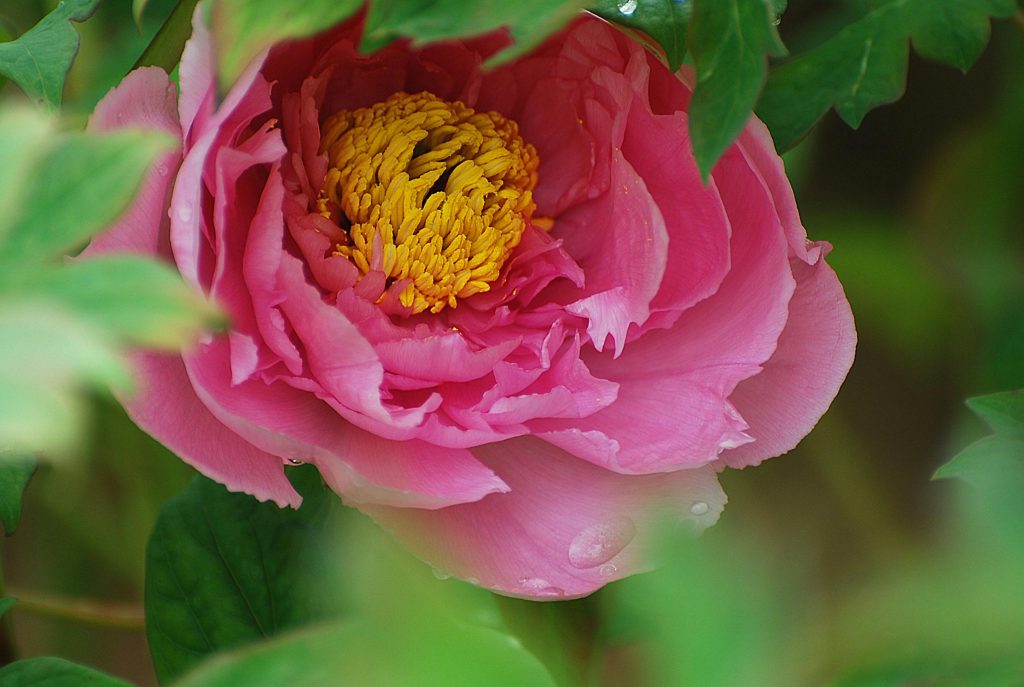
- Plant peonies in fall for the best success, giving roots time to establish before winter, which leads to stronger growth in spring.
- Choose healthy peony roots with visible “eyes” and avoid dry, shriveled, or mushy roots—these indicate weak or damaged plants.
- Pick a sunny, well-draining location with good air circulation, and avoid low spots or areas near large trees where roots will compete for water and nutrients.
- Prepare the soil properly by digging deep, removing debris, and adding compost, then check soil pH to keep it slightly acidic to neutral (6.5–7.0).
- Plant at the correct depth: peony eyes should be 1–2 inches below the surface, because planting too deep is the main reason peonies fail to bloom.
- Water consistently but avoid soggy soil, especially during the first year; once established, peonies are low-maintenance and thrive with minimal care.
- Be patient—peonies may take 2–3 years to reach full blooming potential, but once established they can produce strong blooms for decades.
Peonies are one of the most rewarding plants you can grow in your garden. Their large, fragrant blooms look like something straight out of a magazine, and once established, they can thrive for decades with minimal effort. If you’re new to gardening or have never planted peonies before, this guide will walk you through everything you need to know—step by step.
Peonies are hardy, long-lasting, and surprisingly low-maintenance once they’re in the ground. The key to success is choosing the right planting time, preparing the soil properly, and planting the root at the correct depth. Follow this guide, and you’ll be on your way to beautiful peony blooms year after year.
Why Choose Peonies for Your Garden?
Peonies are a popular choice because they:
- Produce large, showy flowers that bloom in late spring or early summer
- Come in a wide range of colors, including pink, red, white, and yellow
- Are long-lived perennials that can thrive for 50 years or more
- Require little maintenance once established
- Attract pollinators like bees and butterflies
If you want a plant that makes a big visual impact without constant care, peonies are a perfect option. You’ll also understand how to grow peonies that return year after year with stronger blooms once you learn how to plant them correctly.
When Is the Best Time to Plant Peonies?
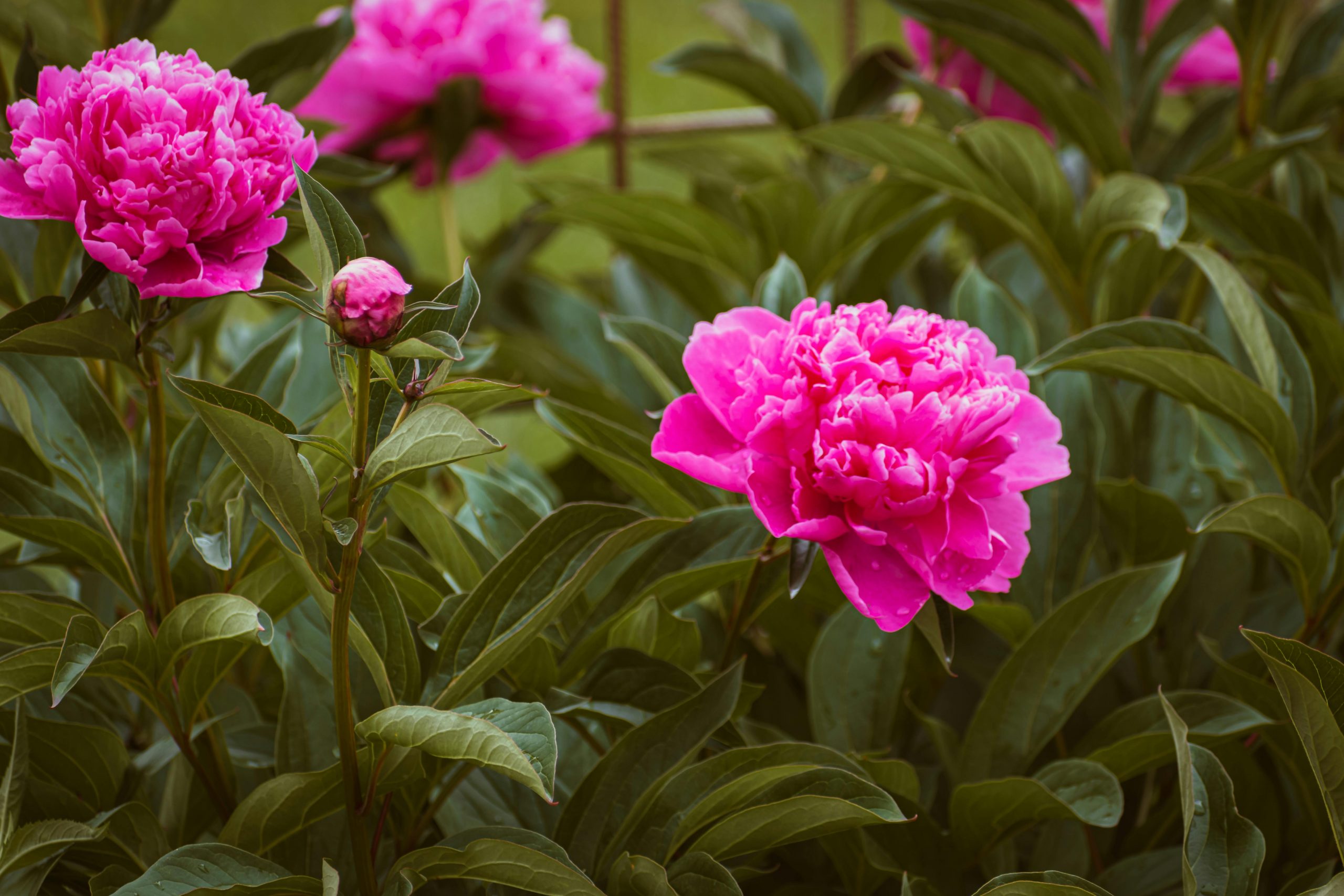
The best time to plant peonies is in the fall, usually between late September and early November, depending on your climate. Planting in the fall gives the roots time to establish before winter, which leads to stronger growth in the spring.
Peonies can also be planted in early spring, but fall planting is generally easier and more successful for beginners.
What Type of Peonies Are Best for Beginners?
There are three main types of peonies:
- Herbaceous peonies: The most common type. They die back to the ground in winter.
- Tree peonies: Woody stems that stay above ground year-round.
- Intersectional (Itoh) peonies: A hybrid between herbaceous and tree peonies.
For beginners, herbaceous peonies are the easiest to grow and maintain. They are widely available, hardy, and produce the classic peony look most gardeners love.
How Do You Choose the Best Peony Plant?
Choosing a strong peony plant starts with picking the healthiest root system and the right type of plant for your climate. Here’s what to look for:
Look for Healthy Roots with Visible “Eyes”
Peony roots should have clear growth points called “eyes.” These look like small pink or reddish bumps on the root. These are the places where new shoots will emerge.
When inspecting roots:
- The eyes should be firm and slightly raised
- They should not be dry or cracked
- Ideally, you should see 2–5 eyes on a root for a stronger plant
Choose Plump Roots, Not Dry or Shriveled Ones
The root should feel thick and firm—not thin, brittle, or dried out. Healthy roots will look:
- Moist and fleshy
- Slightly glossy
- Free from mold or rot
Avoid roots that:
- Look shriveled or paper-thin
- Have soft, mushy spots
- Smell sour (a sign of rot)
Decide Between Container Peonies and Bare-Root Peonies
Peonies are sold in two main forms:
Container Peonies
- Easier to plant immediately
- Great for gardeners who want an instant plant
- Typically more expensive
Bare-Root Peonies
- Usually cheaper and widely available
- Often produce stronger plants because they’re planted in fall
- Require more careful handling before planting
If Buying Bare-Root Peonies, Watch How They’re Stored
Bare-root peonies should be stored properly until planting. Watch out for:
- Roots left in hot, dry conditions (this dries them out quickly)
- Roots sitting in direct sun
- Roots that feel soft or mushy
Best practice: buy bare-root peonies just before planting and keep them cool and slightly moist in a paper bag or damp cloth.
Where Should You Plant Peonies?
Peonies are picky about location. If they don’t get the right conditions, they may grow leaves but produce few blooms.
Best Conditions for Peonies
Peonies thrive in:
Full Sun (at least 6 hours per day)
- Peonies need bright light to produce large blooms.
- Morning sun is especially beneficial because it dries dew off the leaves, reducing disease risk.
Well-Draining Soil
Peonies do not like standing water. If your soil holds water, the roots can rot. To test drainage:
- Dig a hole and fill it with water
- If it drains within 1–2 hours, your soil is good
- If it takes longer, you may need to improve drainage or choose a raised bed
Good Air Circulation
Air circulation reduces mildew and fungal diseases. Avoid planting peonies in:
- Narrow corners with poor airflow
- Close proximity to walls or fences that trap humidity
Avoid These Problem Areas
Peonies should not be planted:
- Too close to trees or large shrubs (they compete for nutrients and water)
- In low spots where water pools after rain
- In heavy clay soil that stays wet
A good rule of thumb: plant peonies at least 3 feet away from large plants or structures.
How to Prepare the Soil for Peonies
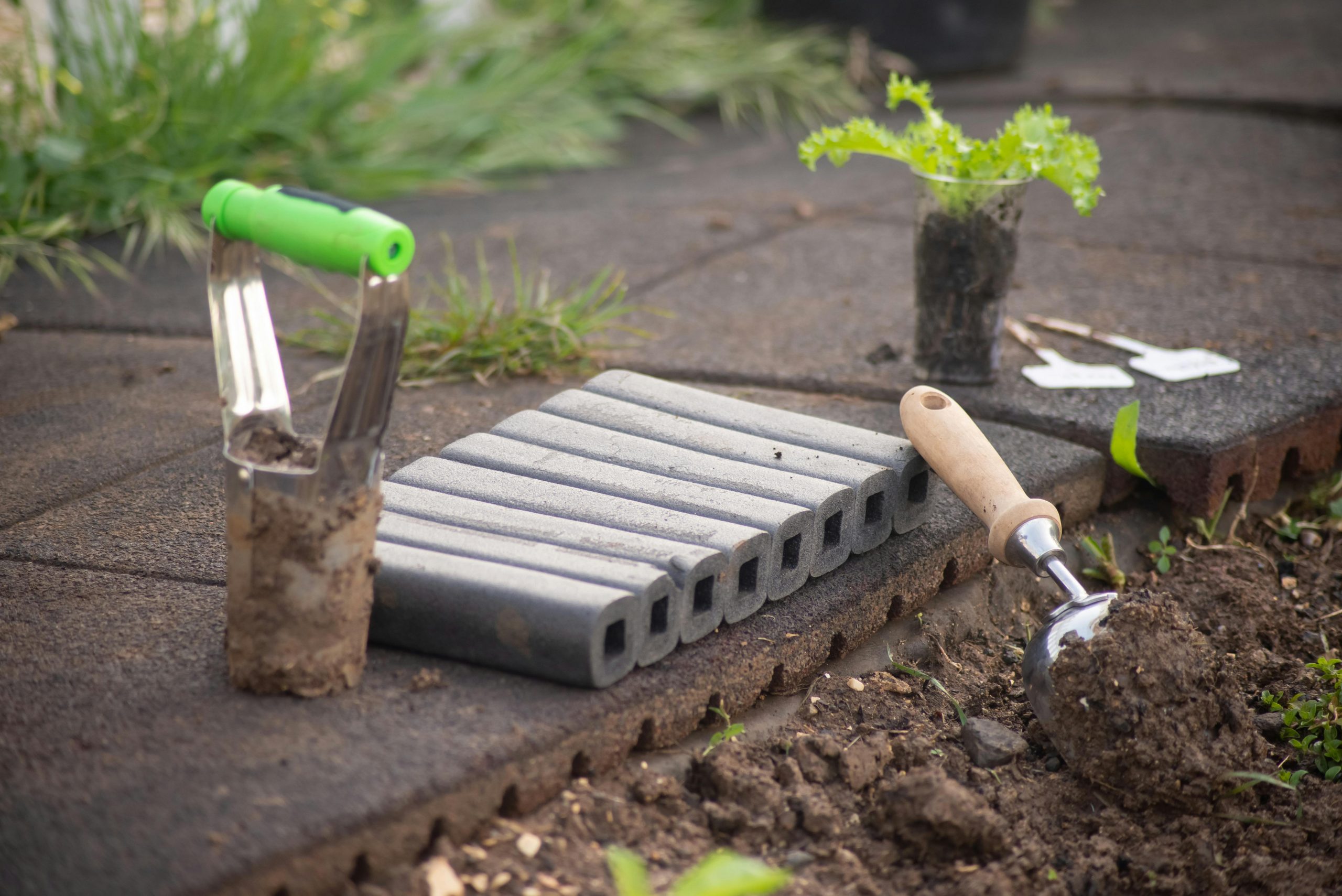
Peonies need rich, loose soil to grow strong roots. Soil preparation is one of the most important steps for success.
Step-by-Step Soil Prep
Here’s how to prep the soil before planting:
- Dig a Proper Hole: Make it at least 12 inches deep and 12 inches wide. This gives the roots room to spread
- Remove Rocks, Roots, and Debris: Clear out stones, old roots, and compacted soil. This prevents drainage issues and allows roots to grow freely.
- Add Compost or Well-Rotted Manure: Mix a generous amount of organic material into the soil. Compost improves soil structure while manure adds nutrients and boosts root growth. Aim for about 2–3 inches of compost mixed into the bottom and sides.
- Add a Balanced Slow-Release Fertilizer: Peonies are heavy feeders, but they don’t need too much fertilizer. Use a balanced fertilizer like 10-10-10. Apply only a small amount at planting time (too much can burn roots)
Check Soil pH
Peonies prefer slightly acidic to neutral soil: pH 6.5 to 7.0. If your soil is very acidic, add garden lime to raise the pH. If your soil is too alkaline, add organic matter or sulfur (use sparingly).
How Deep Should You Plant Peonies?
Planting depth is the #1 reason peonies fail to bloom. Too deep, and they may produce leaves but no flowers.
Planting Depth for Bare-Root Peonies
For bare-root peonies:
- Plant so the “eyes” are no more than 1 to 2 inches below the soil surface
- If the eyes are deeper than 2 inches, the plant will focus on root growth instead of flowers
Planting Depth for Potted Peonies
For container peonies:
- Plant at the same level as the container
- Do not bury the crown deeper than it already is
Common Mistakes to Avoid
- Planting too deep because you think it will help the plant “anchor”
- Covering the eyes with more soil than necessary
- Adding too much mulch directly over the crown
Step-by-Step Planting Guide
Here is a detailed, easy-to-follow planting process:
1. Dig the Hole
- Make the hole at least 12 inches deep and 12 inches wide
- Loosen the soil at the bottom so roots can expand easily
2. Add Compost and Fertilizer
- Mix compost into the soil at the bottom and sides of the hole
- If using fertilizer, sprinkle a small amount in the hole (do not overload)
3. Place the Peony Root
- Position the root with the eyes facing upward
- Spread the roots outward in the hole like spokes on a wheel
4. Cover Lightly with Soil
- Add soil until the eyes are 1 to 2 inches below the surface
- Gently firm the soil around the roots to remove air pockets
5. Water Thoroughly
- Water deeply to settle the soil around the roots
- The soil should feel moist but not soggy
6. Mulch Lightly
- Apply a thin layer of mulch to retain moisture
- Keep mulch at least 2 inches away from the crown to prevent rot
How Often Should You Water New Peonies?
Newly planted peonies need consistent moisture until they establish. Water them:
- Once a week during dry periods
- More often if the weather is hot and dry
Avoid overwatering. Peonies dislike soggy soil, and too much moisture can cause root rot.
Do Peonies Need Fertilizer?
Peonies benefit from fertilizer, but you don’t need to overdo it. A slow-release, balanced fertilizer applied in early spring is usually enough.
Fertilizer tips:
- Use a balanced formula like 10-10-10
- Apply in early spring when new shoots appear
- Avoid high nitrogen fertilizers, which can lead to weak stems
How Long Until Peonies Bloom?
Peonies can take a little time to establish. It’s common for new plants to:
- Produce limited blooms in the first year
- Reach full flowering potential in years 2–3
Be patient. Once peonies are established, they will reward you with abundant blooms each year.
What Should You Do After Planting?
After planting, take these steps to support growth:
- Add a thin layer of mulch to keep soil cool and moist
- Stake the plant if needed to support heavy blooms
- Remove any weeds around the base
Don’t disturb the plant once it’s established. Peonies don’t like being moved or replanted often.
How Do You Protect Peonies in Winter?
Peonies are hardy and usually handle winter well. However, in very cold climates:
- Add a light layer of mulch after the ground freezes
- Remove the mulch in early spring when new growth appears
Avoid heavy mulching too early, as it can cause rot.
Common Mistakes Beginners Make When Planting Peonies
Avoid these common mistakes:
- Planting too deep
- Planting in shade or poor soil
- Overwatering or planting in soggy areas
- Disturbing the plant frequently
- Expecting blooms in the first year
What About Peony Planting in Containers?
Peonies can grow in large containers, but they need:
- A big pot (at least 18–24 inches wide)
- High-quality potting mix
- Good drainage holes
Container peonies may need more frequent watering, especially in hot weather.
Final Thoughts
Peonies are a beautiful, long-lasting addition to any garden. With the right planting technique and a little patience, even beginners can grow stunning peony blooms. Remember to plant in fall, choose a sunny spot with good drainage, and avoid planting too deep.
If you follow this step-by-step guide, you’ll soon enjoy the classic beauty of peonies in your garden for years to come.