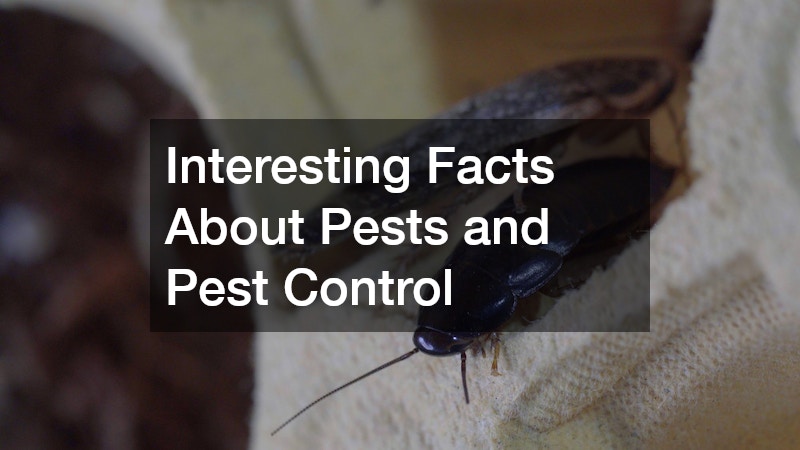
Pests impact public health, food safety, and property maintenance. From insects in cabinets to rodents behind walls, pest activity can escalate into serious problems. Understanding pest behavior and control prevents costly or hazardous infestations.
Pest control is vital in homes, businesses, and agriculture. It involves identifying pests, evaluating risks, and applying solutions to manage infestations.
Modern pest control uses strategies that balance environmental responsibility with effectiveness.
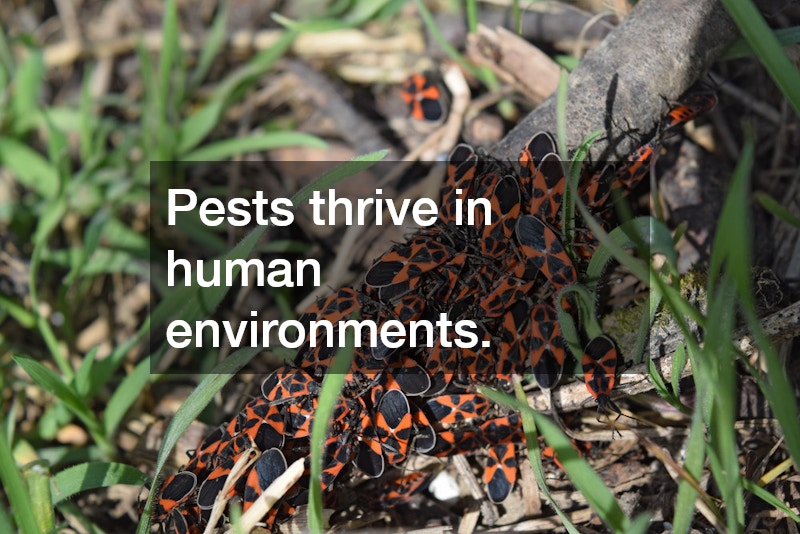
Pests thrive in human environments. Food, moisture, shelter, and warmth attract insects and rodents, which reproduce quickly and spread through hidden pathways. Recognizing pest habits helps detect early warning signs.
Pest control combines science, observation, and prevention. Understanding the basics helps maintain safer, cleaner environments and reduces infestations.
What Are the Most Common Household Pests?
Homes worldwide face various pests seeking food, moisture, warmth, or shelter. Common pests adapt to human environments, becoming persistent problems.
Insects Found in Homes
Ants invade kitchens for food, and cockroaches thrive in warm, humid spaces. Other insects include termites, which cause structural damage.
Rodents in Living Spaces
Rodents enter homes through small openings, chewing wiring and contaminating food. Rapid reproduction can lead to infestations and safety hazards.
Seasonal Pests and Variations
Some pests are seasonal, such as mosquitoes in warmer months and rodents seeking shelter in the cold. Understanding trends helps prevent infestations.
Pests in Urban vs. Rural Areas
Urban areas often see cockroaches, rats, and bed bugs, while rural areas face field mice and termites. Pest control varies with environmental factors.
Identifying Signs of Infestation
Early detection is key. Signs include droppings, gnaw marks, odors, or sounds. Insects leave skins, egg casings, or small entry holes. Early spotting makes treatment easier.
How Do Pests Impact Human Health?
Pests create major health risks, spreading illness or triggering allergies, compromising sanitation and well-being.
Diseases Transmitted by Pests
Rodents spread pathogens through droppings, mosquitoes transmit diseases like malaria, and cockroaches transfer bacteria, highlighting pest management’s importance.
Allergic Reactions and Pests
Cockroach droppings worsen asthma. Dust mites and insects produce allergens accumulating in dust.
Mental Well-being and Pest Infestations
Pests can affect mental health, creating stress and anxiety. Resolving issues provides relief and peace of mind.
Long-term Health Risks of Pest Exposure
Prolonged exposure increases contamination and disease risks. Consistent pest prevention reduces these risks.
Vulnerable Populations and Pest-related Health Issues
Children, the elderly, and immunocompromised individuals face higher risks. Protecting these groups requires coordinated control and sanitation.
What Are Effective Pest Control Methods?
Modern pest control uses multiple approaches to manage pests, targeting behavior, reproduction, and habitat.
Chemical Pest Control Options
Chemicals like insecticides target pests while minimizing harm, with advances producing more environmentally friendly products.
Biological Pest Control Strategies
Biological control uses natural predators, common in agriculture and residential areas.
Mechanical and Physical Controls
Blocking or removing pests using traps, barriers, screens, and sealing entry points is a primary defense.
Integrated Pest Management (IPM)
IPM combines prevention, monitoring, and targeted treatments, reducing reliance on pesticides.
DIY vs. Professional Pest Control Services
Homeowners may manage pests with store products, but larger issues often need professional help for expertise and tailored strategies.
Why Are Pests More Prevalent in Certain Areas?
Pest populations are influenced by environmental and human factors like climate and urban development.
Climate Influence on Pest Populations
Warm climates and humidity increase pest activity, with seasonal rain aiding reproduction.
Impact of Urban Development
Urban growth creates pest habitats, requiring management for healthy living.
Influence of Environmental Conditions
Pests thrive in areas with standing water and clutter. Improving conditions reduces populations.
Role of Human Habits in Pest Distribution
Behavior like unsealed food or open trash attracts pests. Cleanliness limits opportunities.
The Effect of Globalization on Pest Spread
Trade and travel spread invasive pests globally, requiring monitoring and prevention.
Can Pests Develop Resistance to Control Methods?
Pests can develop resistance, complicating management.
Understanding Pest Resistance Mechanisms
Resistance occurs as pests evolve to survive pesticides.
Case Studies of Resistant Pest Species
Some pests resist treatments, highlighting the need for varied strategies.
Impact of Resistance on Control Effectiveness
Resistance makes treatments ineffective, raising costs. Multiple strategies help prevent this.
Strategies to Mitigate Pest Resistance
Rotating pesticides and monitoring aadjuststrategies to slow resistance.
Future Trends in Pest Resistance Studies
Research into pest genetics and control technology continues, with advances in biological controls.
Pests pose challenges, adapting to environments where resources are available. Understanding their behavior, health risks, and environmental factors highlights pest control importance.
Effective management combines prevention, monitoring, and targeted treatment, focusing on modern and responsible solutions. As pests evolve and spread, research and improved methods protect homes, health, and food systems.