
The journey of watching a home grow from a concrete slab into a finished structure is an incredible experience. For many people, it represents the fulfillment of a lifelong dream. However, the period between the final walkthrough and the day the keys turn in the front lock can feel overwhelming. There are hundreds of small details to track, contracts to sign, and services to schedule. Without a clear plan, it is easy for crucial steps to slip through the cracks, leading to stress or costly mistakes later down the road.
A successful transition requires looking at the property through a practical lens. Homeowners must shift their mindset from design appreciation to long-term property management. This transitional phase is the perfect window to establish maintenance routines, protect major systems, and ensure that every inch of the property aligns with safety standards. Taking care of these tasks before the furniture arrives prevents scheduling headaches and allows families to enjoy their new spaces from day one.
This comprehensive guide serves as a strategic roadmap to help buyers navigate the vital steps of moving into a newly constructed residence. By breaking the process down into logical phases, property owners can confidently manage everything from structural verification to final clean-up. Managing these responsibilities systematically transforms a chaotic moving experience into an organized, rewarding milestone. Working hand-in-hand with an experienced home builder ensures that the physical shell is solid, but the work does not stop when the construction crew packs up their tools. True home ownership involves taking control of the asset immediately.
Ensuring Exterior Integrity and Security
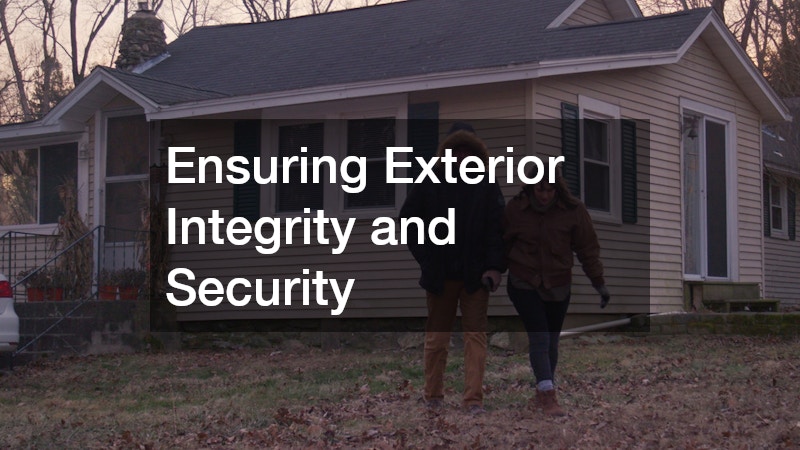
Before spending the first night in a new home, the exterior envelope must be thoroughly vetted to withstand the elements. Even with brand-new construction, minor oversights can happen during the frantic final weeks of building. Homeowners should schedule a dedicated exterior inspection to verify that the weather barriers, drainage paths, and roofing materials are perfectly aligned. This is not just about aesthetics; it is about protecting the foundation and framework from water intrusion.
A major component of this external shield is the overhead protection. Long-term structural health relies heavily on a flawless installation overhead. Property owners should ensure that a certified roofer has verified the flashing around chimneys, checked the ventilation ridges, and confirmed that every shingle is secure. This step provides essential peace of mind, especially before severe seasonal storms test the home’s durability for the first time. Resolving any minor adjustments under the initial builder warranty saves significant administrative hassle later.
Moving lower down the exterior structure, physical security and daily access points require careful attention. The garage is often the main entry point for busy modern families, making its mechanical components incredibly important. Engaging professional garage door services during the move-in week allows homeowners to program safety sensors, calibrate wireless keypads, and test the auto-reverse safety mechanisms. Ensuring that these heavy, motorized systems function perfectly protects children, pets, and vehicles from accidental harm while securing the home against unauthorized entry. Additionally, setting up smart tracking features at this stage allows owners to monitor access remotely from day one.
Optimizing Mechanical Systems and Utilities
The invisible systems running behind the drywall dictate the daily comfort and health of everyone living inside the home. Modern mechanical systems are highly sophisticated, requiring precise calibration to operate at peak efficiency. When moving into a fresh build, homeowners should not assume that every system is automatically set to their personal preferences or regional demands.
Air circulation, filtration, and temperature control should be evaluated immediately. Turning to a licensed HVAC company ensures that the heating and cooling units are balanced for the specific layout of the house. Technicians can check airflow across different zones, verify that the thermostat communication is flawless, and install high-grade air filters to catch any lingering drywall dust from construction. This initial check-up optimizes energy consumption, keeps utility bills manageable, and extends the lifespan of expensive machinery.
Alongside air quality, water management is equally vital for preserving household infrastructure. Municipal water or private wells can carry heavy mineral loads that gradually damage modern plumbing fixtures and high-end appliances. Installing a high-quality water softener before regular water usage begins prevents the buildup of scale inside water heaters, dishwashers, and piping. This proactive step saves thousands of dollars in premature appliance replacements and keeps clothes looking brighter after every wash cycle. Soft water also reduces the amount of soap needed for daily chores, contributing to an eco-friendly household routine. Keeping these core utility systems monitored from the very first week sets a standard for seamless, worry-free living.
Refining Interior Design and Personal Details

Once the structural and mechanical elements are secure, attention naturally shifts to the interior aesthetic and functional upgrades. Many homeowners choose to leave certain high-end finishes out of the initial construction contract to avoid builder markups or to take their time choosing custom materials. This interim period offers a unique window to execute these personalized projects without disrupting daily life.
Bathrooms are a prime area for these custom additions. Standard builder-grade shower rods and curtains can cheapen the look of a beautifully tiled modern bathroom. Upgrading to custom glass shower doors completely transforms the spatial feel of the room, maximizing light and showcasing beautiful tile patterns. Having these installed prior to moving in prevents the inconvenience of construction dust in an active living space and ensures the silicone seals cure completely without moisture interference.
For homeowners who purchased an older property to modify, or those who want to adapt a new space further, long-term visions come into play. Developing a relationship with a trusted professional who specializes in home remodeling can help plan out future developments, such as finished basements, custom built-in shelving, or outdoor living spaces. Initiating these conversations early allows owners to review architectural possibilities and budget accurately for secondary phases of construction. Taking the time to map out these custom adjustments ensures that the home grows alongside the changing needs of the family over the next decade.
Managing Risk and Financial Safeguards
Owning a home is a massive commitment, and protecting that asset requires proactive risk management. Long before the final closing documents are signed, it is crucial to establish comprehensive coverage that protects against unforeseen events, natural disasters, and structural failures. This step must be completed early, as lenders will not fund a mortgage without proof of an active policy that covers the full replacement value of the property.
Navigating the nuances of modern policies is much easier when partnering with a knowledgeable professional. Sitting down with a dedicated homeowner insurance agent allows buyers to customize their policy limits based on the actual costs of local construction materials and labor. This agent can help identify potential discounts for installing modern safety systems, such as hardwired smoke detectors, ring cameras, or automatic water shut-off valves. They can also explain the differences between basic structural coverage and personal property protection, ensuring that valuable items are fully insured during the actual physical transfer.
Beyond standard coverage, owners should discuss specific regional riders, such as flood or earthquake insurance, which are often excluded from standard plans. Documenting the home’s condition with high-resolution photos and video before moving any belongings inside provides clear baseline evidence if a claim ever needs to be filed. Keeping these insurance documents organized in a secure cloud folder guarantees easy access during stressful situations. Taking these financial precautions transforms a vulnerable property into a well-protected sanctuary.
Coordinating Logistics and the Moving Process

Relocating an entire household is often one of the most stressful parts of the home buying journey. It requires balancing strict timelines, packing thousands of fragile items, and ensuring that nothing gets lost or broken during transit. A successful move relies on early planning, clear labeling, and selecting reliable partners to handle the heavy lifting.
Weeks before the big day, households should begin sorting through their belongings to donate, sell, or discard items that are no longer needed. Once the inventory is streamlined, vetting professional moving companies becomes the top priority. It is wise to obtain multiple written estimates, check online reviews, and verify that the selected team is fully licensed and insured. Experienced movers do more than just transport boxes; they provide specialized packing services, protect delicate furniture surfaces, and navigate tricky stairwells without scraping the freshly painted walls of the new residence.
On moving day, clear communication with the crew is essential for an efficient process. Providing the team with a floor plan of the new house allows them to place heavy boxes directly into the correct rooms, saving homeowners from lifting heavy objects later. It is also beneficial to pack a separate box containing daily essentials, such as basic tools, toiletries, phone chargers, and important paperwork, so these items remain accessible throughout the chaotic day. Proper logistical planning ensures that the physical transition is as smooth as possible.
Achieving a Pristine Indoor Environment
Many people assume a newly built home is perfectly clean when construction crews depart. In reality, fine particles of drywall dust, sawdust, and chemical residues from paint and adhesives can linger in the air and settle on surfaces for weeks. Cleaning these spaces thoroughly before moving furniture inside is essential for protecting indoor air quality and ensuring a healthy living environment.
Wiping down every surface requires significant time and effort that busy homeowners cannot spare during a move. Hiring a professional house cleaning service to perform a detailed post-construction deep clean is an excellent investment in comfort and health. These specialized crews possess the heavy-duty vacuums, microfiber tools, and specific cleaning agents required to trap microscopic dust particles without scratching new finishes or dulling floor glazes. They can systematically clean inside window tracks, wipe down light fixtures, and sanitize kitchen drawers so that the home is truly ready for immediate occupancy.
Once the initial deep clean is complete, maintaining this standard becomes much simpler. Establishing a regular cleaning schedule prevents dust from building up in the vents and keeps high-traffic areas looking like new. A clean environment also makes it easier to spot minor structural settling or plumbing leaks that might otherwise go unnoticed behind stored items. Starting life in a sparkling, sanitized space provides an immediate sense of comfort and pride in the new property.
Establishing Long-Term Maintenance Tracking

The final step in transitioning into a new property involves setting up a sustainable system for ongoing care. A house is a dynamic structure that responds to shifting seasons, soil movement, and daily wear. Homeowners who establish a dedicated digital or physical binder to track warranties, appliance manuals, and contractor contact information save themselves immense frustration when future repairs become necessary.
Creating a seasonal maintenance calendar is an effective way to keep up with tasks before they turn into emergencies. For example, spring checklists should focus on checking exterior seals, clearing gutters, and inspecting landscaping drainage. Fall checklists should prioritize winterizing outdoor spigots, checking attic insulation levels, and testing safety alarms. Logging these inspections creates a history that enhances the resale value if owners ever decide to relocate.
Technology can play a major role in simplifying this tracking process. Many modern homeowners utilize dedicated property management apps or simple spreadsheets to set recurring reminders for filter replacements, battery updates in safety detectors, and professional system check-ups. Keeping detailed records of every service call ensures that warranties remain valid and provides a transparent log for future buyers. Taking ownership of a home means embracing the role of a diligent property manager, ensuring that the initial investment remains protected for decades to come.
Moving Forward with Confidence
Stepping across the threshold of a new home marks the beginning of an exciting chapter filled with fresh memories and personal growth. While the path from construction to daily living involves numerous logistical steps, breaking the process down into a structured roadmap makes the entire experience manageable and rewarding. By systematically addressing structural integrity, utility optimization, interior refinement, and financial safeguards, property owners establish a rock-solid foundation for the future. With a clear plan in place, the challenges of relocation fade away, leaving only the joy of settling into a space that is truly tailored for long-term comfort and security.