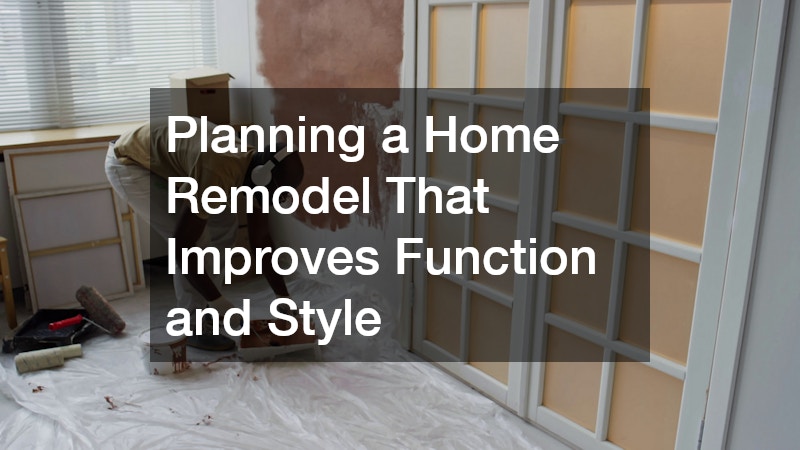
Planning a home remodel is an opportunity to reshape how your space supports daily life. While many homeowners begin with aesthetic goals, the most successful remodels balance style with function. A beautiful room that does not meet practical needs can quickly become frustrating. By focusing on both performance and appearance, homeowners can create spaces that feel cohesive, comfortable, and efficient.
Remodeling requires careful evaluation of current challenges and long-term priorities. Some homes may suffer from outdated layouts, limited storage, or inefficient systems that no longer align with modern living. Others may simply need visual updates to reflect changing tastes. Understanding how rooms are used on a daily basis helps guide improvements that will have the greatest impact. When remodeling decisions are made thoughtfully, they reduce inconvenience and add meaningful value.

Evaluating Your Current Layout and Needs
Before beginning any remodeling project, it is essential to evaluate how your current layout functions. Identifying areas that feel cramped, inefficient, or underused provides clarity about what truly needs improvement. Many homeowners discover that small layout adjustments can significantly improve daily routines without requiring major structural changes. Thoughtful evaluation prevents unnecessary work and helps prioritize projects that deliver the greatest benefit.
A comprehensive assessment involves considering traffic flow, natural light, storage capacity, and how each room connects to the rest of the home. Homes often evolve over time, and layouts that once worked well may no longer support current lifestyles. Growing families, remote work arrangements, or accessibility needs can all influence how space should function. Taking the time to evaluate these factors allows homeowners to plan upgrades that align with present and future needs.
Approaching this evaluation as part of a broader home remodeling strategy ensures that improvements feel cohesive rather than disconnected. When layout decisions are guided by a clear understanding of daily habits and priorities, the final result is more practical and visually harmonious. Careful planning at this stage lays the groundwork for a remodel that enhances both efficiency and style.
Setting Clear Remodeling Goals
Clear goals provide direction and structure to any remodeling project. Without defined objectives, it is easy for scope, budget, and design choices to shift unexpectedly. Establishing priorities helps homeowners stay focused on improvements that truly matter. Whether the goal is to increase storage, modernize finishes, or improve energy efficiency, clarity prevents costly changes mid-project.
Goal setting should reflect both practical concerns and aesthetic preferences. For example, improving workflow in high-use areas often becomes a top priority. Kitchens, in particular, benefit from thoughtful planning that considers cooking habits, storage requirements, and entertaining needs. Defining what success looks like makes it easier to evaluate design options and material selections.
When planning kitchen remodeling, setting clear expectations about layout, style, and performance helps guide decisions from start to finish. Aligning appliances, cabinetry, and lighting with functional goals ensures that updates support everyday use. A structured plan reduces uncertainty and keeps the remodel aligned with both vision and budget. By defining clear remodeling goals, homeowners create a roadmap that leads to a more successful and satisfying outcome.
Prioritizing Functional Improvements
When planning a remodel, prioritizing functional improvements helps ensure that updates deliver lasting value. While aesthetic changes are exciting, addressing core performance issues first creates a stronger foundation for every other upgrade. Functional improvements often involve improving comfort, efficiency, and system reliability. When these elements are handled early in the process, homeowners avoid having to revisit completed spaces to correct overlooked issues.
Evaluating mechanical systems is an important step in this phase. Heating and cooling performance, ventilation, and airflow all influence daily comfort. Rooms that are too warm in the summer or too cold in the winter can make even beautifully remodeled spaces feel uncomfortable. Identifying inefficiencies early allows homeowners to allocate resources wisely and prevent long-term frustration. Functional upgrades also tend to improve energy efficiency, reducing operating costs over time.
Working with an HVAC company can help assess whether existing systems are sufficient to support the updated layout. Remodeling often changes room configurations or increases square footage, which may require adjustments to airflow or equipment capacity. Addressing these concerns during the planning stage supports consistent comfort and reliable performance. By focusing on functional improvements first, homeowners create a remodel that performs as well as it looks.
Enhancing Storage and Organization
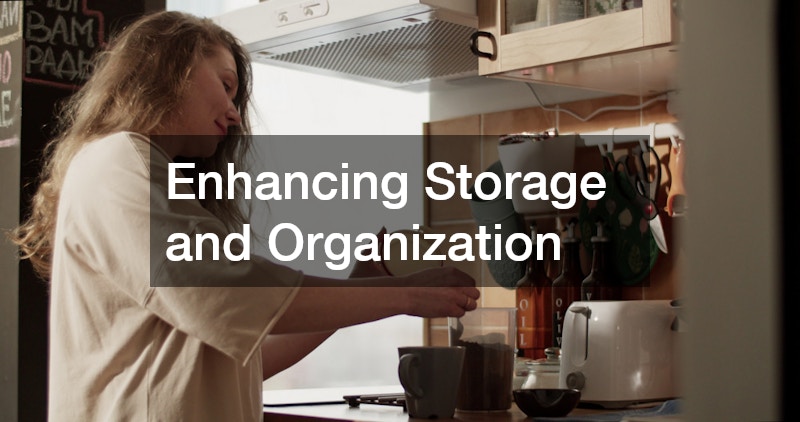
Storage and organization are key elements of a functional home. Even well-designed spaces can feel cluttered if storage solutions are inadequate. Remodeling provides an opportunity to rethink how items are stored and accessed, reducing daily stress and improving efficiency. When storage is thoughtfully integrated, rooms feel more open, organized, and easier to maintain.
Assessing storage needs involves considering how each room is used. Kitchens, bathrooms, and living areas all require different types of storage solutions. Built-in shelving, optimized cabinetry, and well-planned surfaces can eliminate the need for temporary or bulky furniture. Smart organization not only enhances functionality but also supports a clean, streamlined aesthetic.
Upgrading countertops can improve both storage and usability by increasing prep space and creating a more durable work surface. Quality countertops provide additional functional value while contributing to the room’s overall style. When storage and surfaces are designed together, they create a cohesive environment that supports everyday living. Prioritizing organization during a remodel ensures that improved style is matched by improved practicality.
Upgrading Kitchens for Daily Efficiency
The kitchen is one of the most frequently used spaces in the home, making efficiency a central concern during remodeling. A well-designed kitchen supports smooth movement between cooking, cleaning, and storage areas. Poor layout or outdated equipment can disrupt workflow and make daily tasks more time-consuming. Upgrading the kitchen with efficiency in mind improves both function and overall comfort.
Efficiency begins with understanding how the space is used. Identifying bottlenecks in traffic flow, insufficient prep space, or limited storage helps guide design improvements. Modern layouts often emphasize accessibility and clear zones for cooking, preparation, and cleanup. Improving these areas allows the kitchen to function more intuitively.
Selecting updated kitchen appliances that align with cooking habits and energy efficiency goals further enhances performance. Energy-efficient appliances can reduce utility costs while offering advanced features that streamline daily routines. When layout, storage, and appliances work together, the kitchen becomes a space that supports productivity and style simultaneously. Thoughtful upgrades ensure that the kitchen remains both beautiful and highly functional for years to come.
Modernizing Bathrooms for Comfort
Bathrooms play a vital role in daily routines, and modernizing them can significantly improve both comfort and functionality. Outdated layouts, limited storage, and aging fixtures can make the space feel cramped or inefficient. Remodeling offers an opportunity to enhance usability while also creating a more relaxing and visually cohesive environment. A well-designed bathroom should support smooth morning and evening routines without unnecessary inconvenience.
Comfort-focused improvements often include better lighting, improved ventilation, and upgraded plumbing fixtures. These enhancements not only improve the user experience but also contribute to long-term durability. Thoughtful layout adjustments can increase accessibility and maximize available square footage, making even smaller bathrooms feel more open. Selecting materials that resist moisture and wear helps preserve the appearance of the space over time.
Working with a bathroom remodeling service allows homeowners to coordinate design, installation, and structural considerations effectively. Professional planning ensures that plumbing, ventilation, and waterproofing systems function properly beneath the surface. When comfort, efficiency, and style are addressed together, the bathroom becomes a space that enhances everyday living while maintaining lasting value.

Improving Lighting and Electrical Features
Lighting has a significant impact on both function and style in a remodeled home. Poor lighting can make rooms feel smaller, dimmer, and less inviting, while well-planned lighting enhances visibility and highlights design features. Remodeling provides an opportunity to rethink lighting placement, fixture selection, and electrical capacity to better support daily activities.
Effective lighting combines ambient, task, and accent elements to create balance throughout the home. Kitchens benefit from focused task lighting, while living areas may require layered lighting to adapt to different uses. Upgrading switches, outlets, and wiring can also improve convenience and safety. Properly designed electrical systems support modern appliances, technology, and lifestyle demands without overloading circuits.
Consulting an electrician during the remodeling process helps ensure that new lighting and electrical features are installed safely and meet current standards. Professional guidance supports proper load distribution and long-term reliability. By improving lighting and electrical systems, homeowners create spaces that feel brighter, more efficient, and better suited to modern living.
Selecting Durable and Stylish Materials
Choosing materials that balance durability with style is essential to a successful remodel. While design trends can influence material choices, long-term performance should remain a priority. Surfaces and finishes should withstand daily wear while maintaining their visual appeal. Selecting quality materials reduces maintenance demands and protects the investment made in the remodel.
Material selection often affects multiple aspects of a room’s function. Flooring, cabinetry, and wall finishes should complement one another while providing resilience against moisture, heat, or heavy use. Neutral tones and classic finishes tend to age more gracefully, allowing homeowners to update décor without replacing structural elements. Thoughtful coordination creates a cohesive look that remains attractive over time.
Incorporating window replacement into a remodel can enhance both durability and energy efficiency. Modern windows improve insulation, reduce drafts, and increase natural light while contributing to the overall aesthetic of the home. By choosing materials that are both functional and visually appealing, homeowners ensure that their remodel supports comfort and style for years to come.
Coordinating Interior and Exterior Design
A successful remodel considers how interior and exterior elements work together to create a cohesive look. While many projects focus primarily on indoor spaces, the transition between interior rooms and outdoor areas influences overall harmony. Coordinating colors, materials, and finishes ensures that updates feel intentional rather than disconnected. When design elements align, the home feels more unified and thoughtfully planned.
Interior updates often affect exterior features, especially when remodeling includes windows, doors, or outdoor access points. Maintaining consistency in hardware finishes, trim styles, and architectural details strengthens visual flow. Even smaller design decisions, such as matching fixtures or aligning material tones, can enhance overall balance. Cohesive design helps prevent a remodeled space from feeling isolated from the rest of the property.
In bathroom spaces, installing updated shower doors can improve both interior style and exterior light flow when placed near windows or shared walls. Modern glass designs create openness and allow light to circulate more freely, supporting a seamless transition between spaces. Coordinating design details ensures that each improvement contributes to a unified and polished final result.

Planning for Long-Term Value and Maintenance
A thoughtful remodel looks beyond immediate visual impact and considers long-term value and maintenance. Choosing durable materials and efficient systems helps reduce repair costs and preserve quality over time. When planning improvements, homeowners should evaluate how each upgrade will perform under daily use and seasonal changes. Long-term thinking supports smarter investments and more predictable upkeep.
Maintenance considerations should influence both structural and technological upgrades. Systems that are easy to access and service simplify future repairs. Selecting materials that resist wear, staining, and moisture reduces ongoing cleaning and replacement needs. Balancing aesthetics with practicality ensures that style does not come at the expense of durability.
Incorporating a home audio system during a remodel can enhance entertainment and convenience while integrating seamlessly into the design. Planning wiring and speaker placement early avoids disruptive modifications later. By prioritizing long-term performance and thoughtful integration, homeowners create a remodel that remains functional, stylish, and manageable well into the future.
Planning a home remodel that improves function and style requires clear goals, strategic prioritization, and attention to detail. While aesthetic updates are often the most visible part of the process, the true success of a remodel lies in how well it supports daily living. Functional improvements, efficient systems, and durable materials provide the foundation for lasting comfort and usability.
Balancing design with practicality ensures that each upgrade serves a purpose beyond appearance. Thoughtful coordination between systems, materials, and layout changes creates a cohesive environment that feels both polished and purposeful. Addressing structural and mechanical elements early helps prevent costly revisions later.