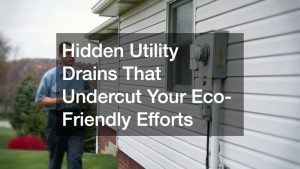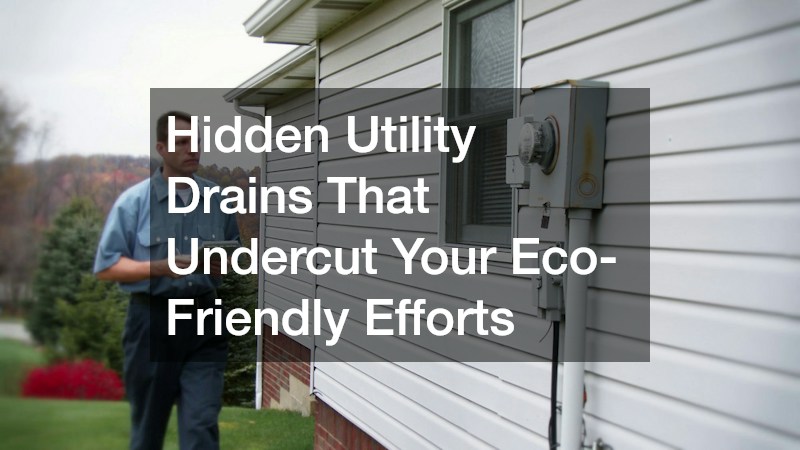
You compost, you recycle, you swapped your bulbs for LEDs, and you feel good about your shrinking footprint. But somewhere behind your walls, under your yard, or beneath your kitchen sink, a hidden system might be quietly erasing all that progress. Many of the biggest energy and water wasters in a home are invisible until a bill spikes or a system fails outright. This article walks through the overlooked culprits that undercut even the most dedicated eco-conscious homeowner, and what to check before small inefficiencies become expensive habits.
Aging Water Pipes and Silent Leaks
A pinhole leak inside a wall or under a slab can waste thousands of gallons a year without ever showing up as a puddle on the floor. Because the water simply seeps into insulation, soil, or framing, many homeowners only notice the damage after mold or warped flooring appears. Professional leak detection uses acoustic sensors and thermal imaging to pinpoint the exact location of a hidden leak without tearing into walls or floors. Catching these early not only protects your home but also keeps your water usage, and your water bill, in line with your actual conservation efforts.
Older galvanized or copper pipe systems are especially prone to this kind of slow failure as they corrode from the inside out. If your water pressure has dropped or your meter keeps ticking even when every fixture is off, it is worth having the system checked before the problem grows.
Outdated Wiring and Phantom Energy Loss
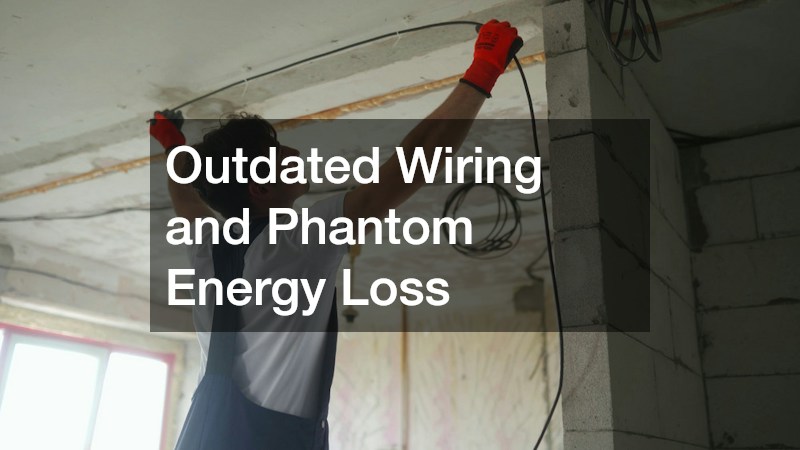
Energy efficient appliances and smart thermostats only help if the electrical system delivering power to them is sound. Old wiring, loose connections, and outdated panels can waste energy through resistance heat and voltage drops that never show up on an appliance label. Homes built before the 1990s often still run on aluminum wiring or undersized circuits that weren’t designed for today’s load of HVAC systems, EV chargers, and kitchen electronics. These inefficiencies add up quietly. A loose connection at a breaker can waste a surprising amount of electricity as heat, and a sagging or corroded junction forces your devices to draw more current just to maintain steady power. Over months, that translates into higher bills despite your best conservation efforts. A licensed electrician can test your panel capacity and wiring condition, identifying spots where power is being lost before it even reaches your devices. They’ll typically check for warm outlets, flickering lights, breakers that trip under normal loads, and panels rated below 100 amps, all common signs of a system working harder than it should. Catching these issues early not only closes the gap between your eco-friendly upgrades and your actual energy savings, it also reduces fire risk tied to aging wiring.
Homes built before the 1980s often have wiring that was never designed for today’s load of electronics, EV chargers, and high efficiency HVAC equipment. Many of these systems top out at 60 or 100 amps, while a modern household with a heat pump, induction range, and electric vehicle charger may need 150 to 200 amps to run efficiently. When the system is stretched beyond its design, energy gets lost as heat in overworked circuits rather than powering your appliances. Running modern, energy conscious appliances through an outdated system is a bit like pouring premium fuel into an engine with a cracked fuel line. Aluminum wiring, common in homes from the 1960s and 70s, is especially prone to loose connections that waste electricity and pose fire risks. Even copper wiring can degrade over decades, with brittle insulation and corroded connections adding resistance that quietly drives up your utility bills. There’s also the issue of phantom loads compounding the problem. Old wiring paired with ungrounded outlets often can’t support smart power strips or modern surge protectors designed to cut standby power draw, so devices like TVs, chargers, and game consoles keep sipping electricity around the clock. That hidden drain can add up to 5 to 10 percent of a home’s total energy use. A simple inspection can reveal whether rewiring or panel upgrades would meaningfully cut your household’s wasted energy. A licensed electrician can check amperage capacity, look for outdated breakers, and flag any aluminum wiring that needs attention. While a full rewire can cost several thousand dollars, the payoff includes lower fire risk, better compatibility with energy efficient appliances, and often a noticeable drop in monthly utility costs.
Deteriorating Roofs and Poor Attic Insulation
Your roof plays a bigger role in energy efficiency than most people realize, since a compromised roofline lets conditioned air escape and lets outside heat pour in. Cracked flashing, missing shingles, or worn underlayment can all let moisture and air infiltrate the attic, undoing the benefits of good insulation below. Many roofing companies now offer energy audits as part of their inspection process, checking ventilation balance and insulation depth alongside the shingles themselves.
Ventilation matters just as much as the roofing material itself. A poorly ventilated attic traps heat in summer and moisture in winter, which can rot decking and reduce insulation effectiveness over time. If your energy bills climb every season without an obvious reason, a roof and attic inspection is often the missing piece.
Inefficient Air Conditioning Systems
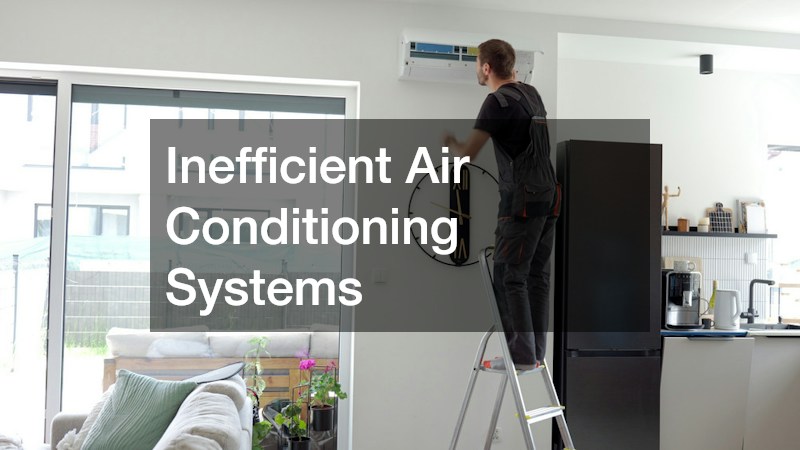
An aging or poorly maintained air conditioner can quietly consume far more electricity than a comparable newer model, even if it still cools the house adequately. The Department of Energy estimates that a neglected system can lose 20 to 30 percent of its efficiency over time, which means the unit is pulling significantly more power to deliver the exact same comfort level. Dirty coils, low refrigerant, and clogged filters force the compressor to work harder and run longer to hit the same temperature. A refrigerant leak is especially sneaky because the system will keep running and producing cool air, just with less capacity, so homeowners often don’t realize anything is wrong until the bill arrives. Filters clogged with dust and pet hair restrict airflow across the coil, which can eventually lead to ice buildup and even harder strain on the compressor. Coils caked in grime act like a layer of insulation, blocking the heat transfer the whole system depends on to work efficiently. Scheduling regular AC repair keeps the system running at its intended efficiency instead of slowly drifting toward higher energy draw. Small issues like a failing capacitor or a worn contactor rarely cause total breakdowns right away, but they do make the unit draw more current than it should. Addressing these problems early is usually far cheaper than replacing a compressor that burned out from months of overexertion. Routine AC services can catch these inefficiencies early, before they translate into noticeably higher utility bills. A seasonal tune-up that checks refrigerant charge, inspects electrical connections, and cleans the coils typically costs far less than even a single month of inflated summer cooling costs. For most homes, that kind of preventive attention twice a year is enough to keep energy use and comfort levels where they should be.
Many homeowners wait until the system fails completely before calling for help, but by then they have likely been overpaying on cooling costs for months or years. An aging or poorly maintained air conditioner can lose 20 to 30 percent of its efficiency, quietly driving up utility bills even while the house still feels reasonably cool. A unit that short cycles, makes unusual noises, or struggles to maintain a steady temperature is usually trying to tell you something. Short cycling often points to a clogged filter, low refrigerant, or an oversized unit, while grinding or squealing sounds can signal worn belts or failing motor bearings. Uneven cooling between rooms may mean leaky ductwork is letting conditioned air escape into the attic or crawl space before it ever reaches you. Simple maintenance steps make a measurable difference. Replacing a dirty filter every one to three months, scheduling annual professional tune-ups, and keeping outdoor condenser coils clear of debris can restore much of the system’s lost efficiency. Sealing duct leaks and checking refrigerant levels are also worth adding to a seasonal checklist. Addressing these symptoms early protects both your comfort and your energy conscious goals. It also extends the life of a system that, left unchecked, may need premature replacement at a far higher cost than routine repairs.
Roof Ventilation and Seasonal Weatherproofing
Beyond insulation, the physical condition of the roof surface itself affects how much energy your home loses to the elements. Gaps around vents, cracked seals, and curling shingle edges let conditioned air slip out year round, not just during extreme weather. Experienced roofers can spot these small failure points during a routine seasonal check, long before they turn into leaks or major energy drains.
Seasonal weatherproofing is especially important in climates with big temperature swings, where materials expand and contract repeatedly. A roof that was properly sealed five years ago may have shifted enough to create new gaps today. Scheduling an annual check is a small investment compared to the cost of chronic energy loss or water damage.
Heating Systems That Run Longer Than They Should
Furnaces and heat pumps lose efficiency gradually, which makes the decline easy to miss until a bill arrives that feels disproportionate to the weather. A system that is low on refrigerant, has a dirty heat exchanger, or is simply undersized for the home will run longer cycles to reach the same comfort level. Local heating contractors can measure actual output against the system’s rated capacity to see how much efficiency has been lost over time.
Routine maintenance, such as replacing filters and checking ductwork for leaks, often restores a surprising amount of lost performance. Ducts that run through unconditioned attics or crawlspaces are common weak points, leaking heated air before it ever reaches the living space. A professional tune-up before each heating season is one of the simplest ways to keep an eco-conscious home running the way it was designed to.
Outdoor Lighting That Wastes More Than You Think
Exterior lighting is often an afterthought in home energy planning, yet outdated fixtures left on timers or overnight can add up to a meaningful chunk of a household’s electricity use. Switching to LED landscape lighting with motion sensors or smart timers can cut that waste dramatically while still keeping walkways and entries safe and visible. Many homeowners are surprised how much of their nighttime energy use comes from a handful of forgotten bulbs around the yard.
- Replace halogen or incandescent fixtures with LED equivalents rated for outdoor use
- Install motion sensors near entryways and less frequently used areas
- Use timers tied to sunset and sunrise rather than fixed clock schedules
- Group fixtures on separate circuits so unused areas can be switched off independently
Plumbing Fixtures and Appliances That Quietly Overuse Water
Low flow fixtures only save water if the plumbing behind them is functioning properly. A running toilet, a dripping faucet, or a water heater with sediment buildup can waste far more water than an inefficient showerhead ever would. Licensed plumbers can assess fixtures, supply lines, and water heater efficiency together, since these components often fail in ways that compound each other over time.
Water heaters in particular lose efficiency as sediment accumulates at the bottom of the tank, forcing the unit to use more energy to heat the same volume of water. Tankless systems and well maintained traditional heaters both benefit from periodic flushing and inspection. Addressing these details ensures that water saving fixtures installed elsewhere in the home are not working against a leaking or inefficient system upstream.
Commercial Kitchen Waste Hiding Behind Grease Traps
For readers who run a home based food business, a small restaurant, or a multi-unit property with shared kitchen facilities, grease trap testing is an often overlooked piece of the sustainability picture. A poorly functioning grease trap allows fats and oils to enter the wastewater system, increasing the energy and chemical load required for treatment downstream. Regular testing ensures the trap is capturing waste as intended rather than silently passing it along.
Beyond the environmental impact, a neglected grease trap can lead to backups, odors, and costly emergency repairs that undo any savings from other efficiency upgrades. Routine testing and cleaning is a relatively small expense compared to the disruption of a failed system. For property owners trying to run an environmentally responsible operation, this is one of the less visible but still important pieces of the puzzle.
True eco-friendly living is not just about the visible choices like solar panels or reusable bags, it is also about the hidden systems running quietly behind the scenes. A small leak, an aging duct, or a forgotten light fixture can offset months of careful conservation without you ever noticing. The best next step is a room by room, system by system check of the parts of your home you rarely think about. A little attention now keeps your efforts, and your budget, working the way they were meant to.