Every homeowner wants a house that stays comfortable in every season without sending utility bills through the roof, but achieving that balance is rarely a do-it-yourself project. Energy efficiency touches nearly every system in your home, from insulation and airflow to plumbing and roofing, and problems in one area often quietly undermine your efforts elsewhere. Instead of guessing where your home is losing energy, a professional assessment gives you a clear, prioritized picture of what actually needs attention. This article walks through the key areas a thorough evaluation should cover so you can make informed decisions about your home’s long-term performance.

Why a Whole-Home Approach Matters More Than Quick Fixes
Many homeowners tackle energy efficiency one problem at a time, sealing a drafty window here or adding a space heater there, without understanding how these issues connect. A whole-home assessment looks at the building as a single system, tracing how air, moisture, and heat move through walls, ceilings, and mechanical equipment. This broader view reveals root causes rather than just symptoms, which saves money over time by preventing repeat repairs.
Because efficiency issues often overlap, fixing one component without checking the others can lead to wasted effort. A professional evaluation typically includes a blower door test, thermal imaging, and a review of insulation levels, giving you data instead of guesswork. Armed with this information, you can prioritize upgrades that deliver the biggest impact on comfort and cost savings.
Evaluating Your Heating and Cooling Equipment
Your heating and cooling system is usually the single largest energy user in your home, often accounting for 40 to 50 percent of a monthly utility bill, so its condition deserves close scrutiny during any efficiency review. An experienced HVAC company can measure airflow, check refrigerant levels, and inspect ductwork for leaks that silently waste conditioned air. Technicians also test static pressure within the system, since restricted airflow forces the equipment to work harder and shortens its lifespan.
Duct inspections frequently reveal gaps at joints, crushed sections behind walls, or disconnected runs in crawlspaces that can leak 20 percent or more of heated or cooled air before it ever reaches a living space. A thorough assessment also includes checking the age and efficiency rating of the furnace, air conditioner, or heat pump, since equipment older than 10 to 15 years often operates well below current efficiency standards. Comparing your system’s SEER or AFUE rating to modern benchmarks helps determine whether repairs or a full replacement makes more financial sense.
These checks often uncover issues that a homeowner would never notice just by adjusting the thermostat, such as a slowly failing capacitor, a dirty evaporator coil, or a thermostat placed too close to a heat source. Left unaddressed, these small problems compound over time, driving up energy bills and increasing the risk of a costly mid-season breakdown.
If your system is cycling on and off frequently, making unusual noises like grinding or squealing, or struggling to maintain a consistent temperature, it may be time to schedule HVAC repair before small problems turn into costly breakdowns. A sudden spike in your energy bills, even without a change in usage, is another red flag that your equipment is working harder than it should.
Catching worn belts, failing capacitors, or clogged filters early keeps the system running efficiently and extends its lifespan, often by several years. Units older than 10-15 years are especially prone to these issues and should be inspected more frequently, since replacement parts become harder to source and efficiency naturally declines with age.
Regular professional check-ups, ideally scheduled once in spring and once in fall, also help you avoid emergency repairs during the most extreme weather of the year. A technician can test refrigerant levels, calibrate the thermostat, and inspect electrical connections before a heat wave or cold snap puts unnecessary strain on your system.
- Uneven temperatures between rooms, especially a hot upstairs or a cold back bedroom, often pointing to duct sizing or airflow problems
- Rising utility bills without a change in usage, particularly a jump of 10-15% or more over the same month last year
- Frequent short cycling (system runs less than 10-15 minutes at a stretch) or unusually long run times that never seem to satisfy the thermostat
- Dust buildup around vents or registers, a common sign of duct leaks pulling in unconditioned attic or crawlspace air
- Strange odors or noises when the system starts, such as musty smells (mold), burning smells (electrical issues), or banging and squealing (worn belts or loose components)
- Equipment age of 12-15 years or more, since efficiency drops significantly as components wear even with regular maintenance

Knowing When Your Furnace Needs More Than a Repair
Furnaces typically last between fifteen and twenty years, but efficiency starts declining well before that age if maintenance has been inconsistent. A professional inspection can determine whether your unit is simply due for a tune-up or whether it has reached the point where a furnace replacement service makes more financial sense than continued repairs. Older furnaces often lose efficiency gradually, so many homeowners do not realize how much extra they are spending on heating until an assessment lays it out clearly.
Newer furnace models offer significantly better fuel efficiency ratings, which can translate into real savings on winter heating bills. A technician can walk you through the sizing calculations needed to match a new unit to your home’s square footage and insulation levels, avoiding the common mistake of installing equipment that is too large or too small.
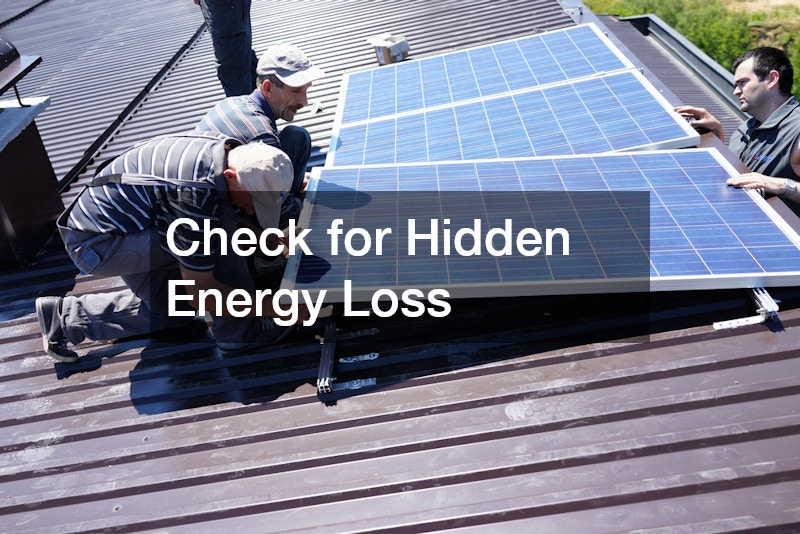
Checking the Roof for Hidden Energy Loss
A roof does more than keep rain out; it plays a direct role in how much heat escapes in winter and how much builds up in summer. Damaged shingles, cracked flashing, or inadequate attic ventilation can all contribute to energy loss that shows up as higher heating and cooling costs. Even small gaps around vent pipes or chimneys can let conditioned air leak out year-round, quietly inflating utility bills.
A professional inspection typically checks for curling or missing shingles, deteriorated underlayment, and soft spots that signal trapped moisture. Attic ventilation matters just as much as the roof surface itself: poor airflow can trap summer heat against the insulation, forcing air conditioners to work harder, while in winter it can lead to ice dams that force water beneath the shingles. Insulation levels around the attic floor and roofline are also assessed, since gaps here often account for a significant share of a home’s total heat loss.
Scheduling roof repair as soon as issues are spotted prevents small leaks from turning into larger structural and insulation problems. Addressing a cracked flashing seal or a handful of damaged shingles early on is far less costly than replacing water-damaged decking or mold-affected insulation later. Routine seasonal checks, ideally in spring and fall, help catch these issues before extreme temperatures put additional strain on the roof and the home’s overall energy performance.
Roof damage isn’t always visible from the ground, which is why an annual or biannual inspection with local roofing contractors is a smart preventive step. A trained eye can spot granule loss in the gutters, soft spots caused by trapped moisture, cracked flashing around chimneys and vents, and ventilation gaps that let conditioned air escape into the attic. Homeowners walking the yard rarely notice these issues until a leak or a spike in energy bills forces the question.
Beyond spotting damage, a thorough inspection should evaluate whether the roof’s ventilation system is balanced correctly. Too little airflow traps heat and humidity in summer, while poor venting in winter can cause ice dams that force water under shingles. Contractors typically check soffit vents, ridge vents, and baffles to confirm air is moving as designed, since even a well-insulated attic can underperform if ventilation is off.
They can also advise on whether attic insulation needs to be upgraded alongside any roofing work, since insulation levels below the recommended R-38 to R-60 range (depending on climate zone) often go unnoticed until a professional measures depth and material type. In some cases, replacing worn insulation during a roof repair costs far less than tackling each project separately, making a combined inspection a cost-effective way to close multiple efficiency gaps at once.
- Curling, cracked, or missing shingles that expose the roof deck to temperature swings
- Visible daylight, water stains, or moisture beading on the attic’s underside
- Ice dams forming along the roofline in winter, signaling heat escaping from below
- Uneven attic temperatures compared to living spaces, often a sign of failing insulation
- Higher-than-expected heating bills during cold months, sometimes 10-25% above seasonal norms
- Sagging rooflines or soft spots underfoot, which can point to trapped moisture
- Rusted or damaged flashing around vents, chimneys, and skylights allowing air leaks
Assessing Underground Systems That Affect Efficiency
It is easy to overlook plumbing when thinking about energy efficiency, but issues underground can still affect your home’s overall performance and safety. Sewer lateral inspections help identify tree root intrusion, pipe corrosion, or blockages that can lead to water damage, which in turn affects insulation and indoor air quality if moisture seeps into walls or crawl spaces. Addressing these issues early prevents costly water damage repairs that can compromise the very areas you are trying to make more efficient.
A camera inspection of the sewer line is a straightforward, non-invasive way to check the condition of pipes running from your home to the municipal connection. Homeowners in older properties, in particular, benefit from this kind of check since aging clay or cast iron pipes are more prone to cracking over time.
Sealing the Building Envelope at Doors and Entry Points
Garage doors are one of the most overlooked sources of air leakage in a home, especially if the garage is attached to living space. Gaps around an aging or poorly insulated door let in outside air, which can raise heating and cooling costs more than most homeowners expect. Even a quarter-inch gap along the bottom seal can let in enough outside air to noticeably shift the temperature of an attached garage, and that temperature swing transfers directly to adjacent rooms and shared walls.
The usual culprits are worn bottom seals, brittle weatherstripping along the sides and top, and thresholds that have warped or settled unevenly with the foundation. Insulated doors also lose effectiveness over time as panels shift or insulation compresses, creating small but persistent air pathways that are easy to miss during a casual walkthrough.
Reaching out to garage door repair and replacement companies for a seal inspection or weatherstripping upgrade is a relatively low-cost fix with a noticeable impact on comfort. Many of these companies can also assess whether the door itself still meets a reasonable R-value for the local climate, or whether a full replacement makes more sense than repeated patch repairs. For homes with living space above or beside the garage, this inspection is worth prioritizing, since even minor leaks in that area can undercut the efficiency of an otherwise well-sealed house.
Beyond the garage, every entry point into the home should be checked for gaps, warping, or damaged weatherstripping. This includes front and back doors, sliding patio doors, and any side or basement entrances that homeowners often overlook. A professional assessment typically includes a walk-through of all exterior doors, since even small cracks around frames can add up to significant heat loss over a full year.
Technicians often use simple diagnostic techniques to spot problems that aren’t visible to the naked eye. A lit candle or incense stick held near the door frame will flicker if air is leaking through, while a sheet of paper closed in the door should offer resistance when pulled — if it slides out easily, the seal has failed. Some assessments also incorporate infrared thermal imaging, which can reveal temperature differences of five degrees or more between a properly sealed door and one with worn weatherstripping.
Door thresholds deserve particular attention, since they take the most physical wear from daily foot traffic and can shift as a house settles over time. A gap as small as one-eighth of an inch under a door can let in as much cold air as a fully open window measuring several square inches. Sweeps, thresholds, and weatherstripping typically need replacement every few years, and a professional can recommend the right materials — vinyl, foam, or brush-style seals — based on the door’s specific fit and exposure to the elements.

Improving Window Performance Without Full Replacement
Windows are a major factor in home energy efficiency, but replacing every window in a house is not always necessary or affordable. In many cases, upgrading to custom frame services can improve insulation and reduce drafts without the expense of a full window replacement project. Properly fitted frames create a tighter seal, reduce condensation issues, and can extend the life of existing glass panes.
A professional assessment will measure for air leakage around each window and recommend whether reframing, recaulking, or full replacement is the most cost-effective path forward. This targeted approach helps homeowners avoid overspending on unnecessary upgrades while still achieving meaningful efficiency gains.
Planning Renovations With Efficiency in Mind
If you are considering a renovation, energy efficiency should be part of the planning conversation from the start rather than an afterthought. Local home remodeling contractors who understand efficiency standards can incorporate better insulation, air sealing, and updated mechanical systems into the project design. This approach avoids the common mistake of finishing a renovation only to discover the space is uncomfortable or expensive to heat and cool.
For homeowners planning to expand their living space, local home additions present a particular opportunity to build efficiency in from day one. New construction sections of a home can be designed with modern insulation standards, properly sized HVAC extensions, and energy-efficient windows, which is far easier than retrofitting an older structure later.
- Insulation upgrades during wall or ceiling work
- Properly sized HVAC extensions for new square footage
- Energy-efficient window and door selections
- Air sealing at new-to-old construction joints
- Ventilation planning for kitchens, bathrooms, and laundry areas
Building a Seasonal Maintenance Routine
Energy efficiency is not a one-time project; it requires ongoing attention throughout the year to stay on track. Homeowners who schedule seasonal check-ins are far less likely to face emergency repairs or unexpected efficiency losses. A simple maintenance calendar helps spread out tasks so nothing gets forgotten during busy seasons.
Pairing a seasonal routine with an annual professional assessment gives you the best of both worlds: consistent upkeep and expert verification that everything is functioning as it should. This combination catches small issues early, before they become expensive repairs or replacements.
- Spring: inspect roofing and attic ventilation after winter weather
- Summer: check cooling system performance and airflow
- Fall: prepare heating systems and inspect door and window seals
- Winter: monitor for drafts, ice dams, and unusual utility bill spikes
True year-round energy efficiency comes from understanding how every part of your home works together, not from chasing isolated fixes. A professional assessment gives you the clarity needed to prioritize repairs, upgrades, or renovations based on real data rather than guesswork. Whether the next step is a mechanical tune-up, a roofing check, or planning a larger remodeling project, starting with an expert evaluation puts you in a stronger position to make confident, cost-effective decisions for your home.