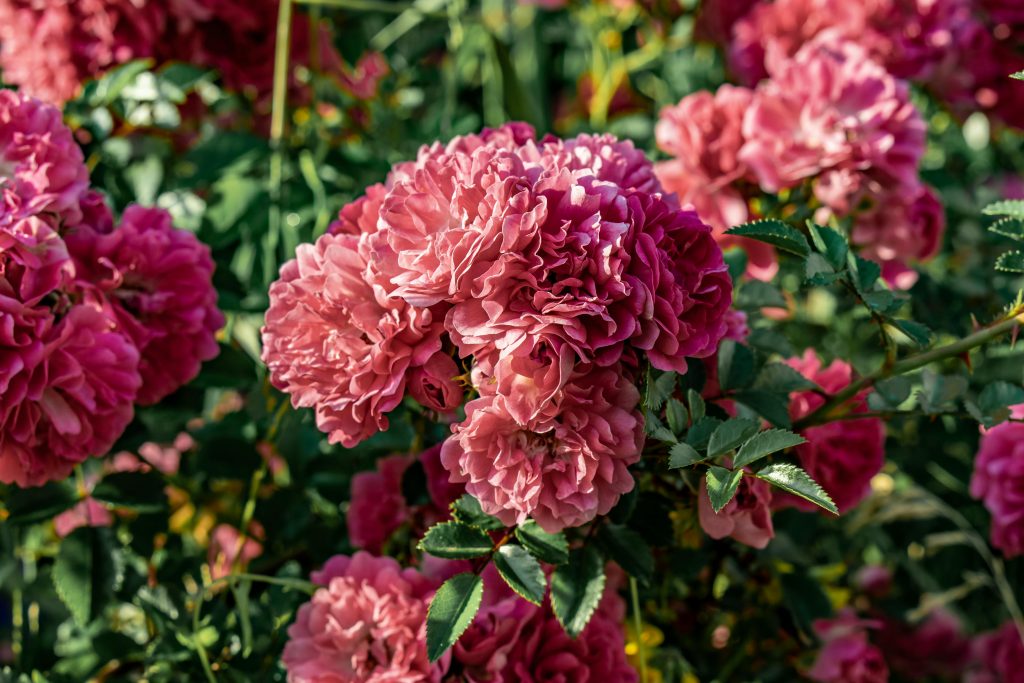
- Plant peonies in the fall to give roots time to establish before winter, which leads to stronger blooms in spring.
- Choose a sunny, well-drained spot with 6–8 hours of sunlight, ideally morning sun and afternoon shade in hot climates.
- Use neutral, rich soil (pH 6.5–7.0) and improve heavy clay by adding compost or building raised beds to prevent root rot.
- Plant peony roots shallowly (no more than 2 inches below soil) and avoid planting too deep, which is the most common reason for poor blooming.
- Follow seasonal care routines: mulch and light watering in fall, winter protection, spring cleanup and support, and summer watering plus deadheading.
- Support blooms in spring using peony rings, stakes, or cages to prevent stems from bending or falling over.
- Watch for common issues like botrytis blight, powdery mildew, or poor blooming due to shade or overcrowding, and treat problems early.
Peonies are the kind of flower that makes any garden feel elegant, lush, and timeless. With their full, soft blooms and long-lasting petals, they’re a favorite among gardeners and flower lovers alike. But peonies also have a reputation for being a little picky. If you want them to thrive year after year, the secret is learning how to grow peonies properly and caring for them in the right way throughout the seasons.
This guide breaks down peony care by season, from planting in the fall to maintaining blooms through summer, protecting them in winter, and preparing for next year. Whether you’re planting your first peony or trying to improve an existing patch, this seasonal approach makes it simple.
Why Are Peonies So Popular?
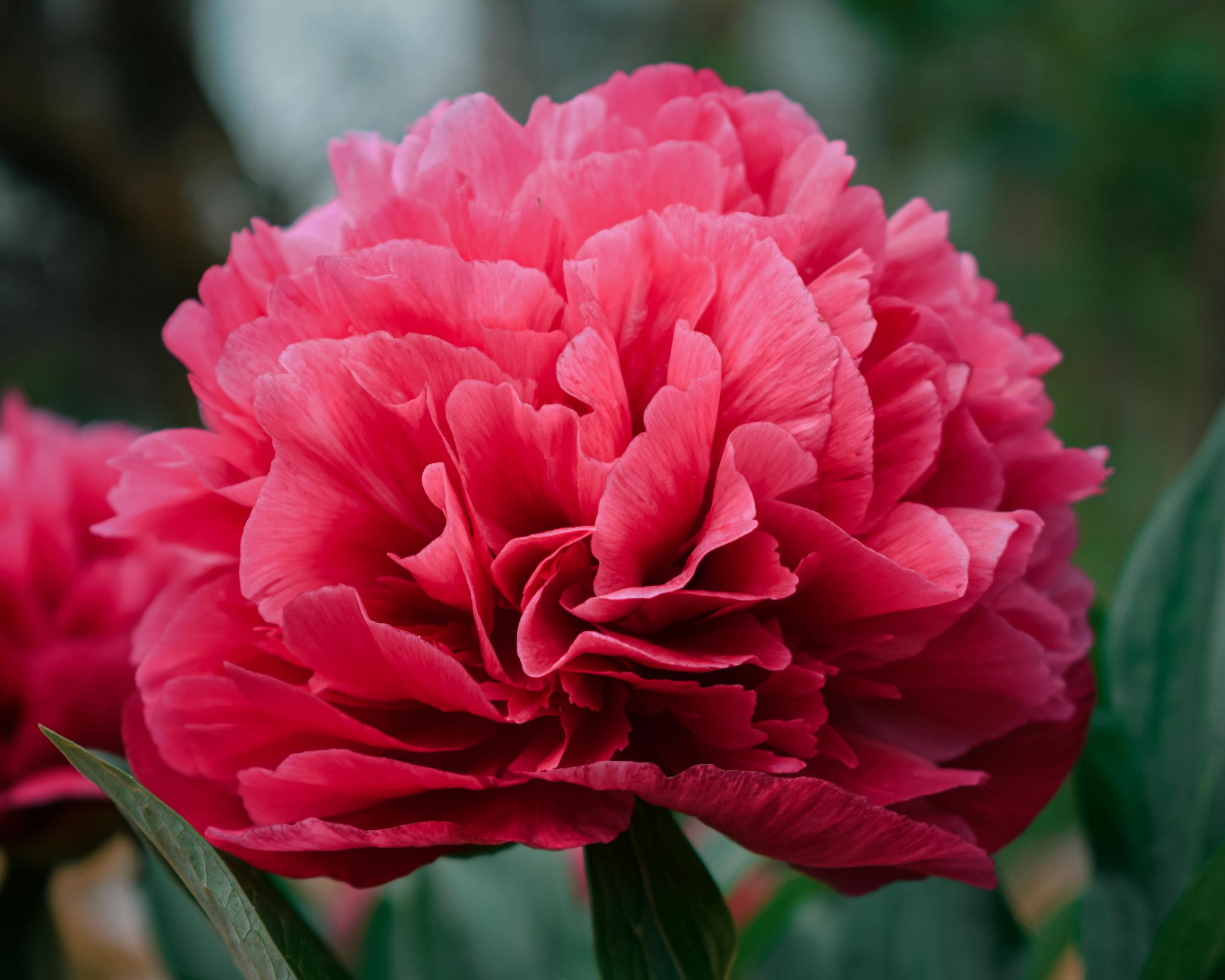
Peonies are popular because they deliver high-impact beauty with relatively low effort. They’re a classic garden staple for good reason:
- They bloom in large, dramatic clusters.
- They have a long lifespan, often living for decades.
- They’re hardy in many climates.
- They make excellent cut flowers.
- They pair well with many garden styles, from cottage gardens to formal landscapes.
But to get those stunning blooms, you need to understand their seasonal needs.
What Season Is Best to Plant Peonies?
Planting Peonies in Fall: Why It Works
The best time to plant peonies is in the fall. Peonies need time to establish roots before winter, and planting in the fall gives them a strong start. Fall planting is the most reliable way to ensure healthy growth and better blooms in the following spring.
Here’s why fall planting is ideal:
Soil is still warm, which helps roots grow.
Even though air temperatures are dropping, the soil retains heat longer. This encourages root development before winter sets in, which is essential for peonies because their above-ground growth happens later in spring.
The plant is less stressed than in hot summer weather.
Summer heat can stress newly planted peonies, especially in areas with intense sun or drought. Fall planting avoids that stress, letting the plant focus on root growth rather than survival.
Winter dormancy helps the plant settle in.
Peonies naturally go dormant in winter. During this time, they’re not trying to grow leaves or blooms, so the energy they put into root development remains protected and uninterrupted.
Spring will bring stronger, healthier blooms.
If a peony has had time to build a strong root system, it will produce more robust stems and larger flowers in spring. Plants that aren’t well established often struggle to bloom or may bloom weakly.
How to Choose the Best Spot for Peonies
What Kind of Sunlight Do Peonies Need?
Peonies love sun, but they don’t thrive in harsh, all-day heat. They do best with plenty of light, but not direct heat for the full day.
The ideal setup is:
- 6 to 8 hours of sunlight daily: This is the sweet spot for most peony varieties. Enough light to bloom strongly, but not so much heat that it stresses the plant.
- Morning sun is best: Morning sunlight is cooler and helps dry dew quickly, reducing disease risk.
- Afternoon shade is helpful in hotter climates: In hot climates, too much afternoon sun can cause blooms to wilt and stems to weaken. Afternoon shade helps keep the plant cooler and healthier.
What Soil Do Peonies Prefer?
Peonies prefer well-draining soil that stays moist but not waterlogged. They don’t like “wet feet,” meaning roots sitting in water for long periods. Waterlogged soil can cause root rot and poor growth.
Good soil conditions include:
- Soil with a neutral pH (around 6.5–7.0): Peonies don’t do well in overly acidic or alkaline soil. A neutral pH is ideal for nutrient uptake.
- Rich, organic matter: Adding compost or aged manure helps the soil retain moisture and nutrients without becoming compacted.
- Good drainage: Peonies need soil that drains well. If your soil is heavy clay, water tends to pool and roots can rot.
If your soil is heavy clay, you can improve it by mixing in compost or aged manure. Another option is to build a raised bed or mound to improve drainage and root development.
How to Plant Peonies Step-by-Step
What Do You Need Before You Plant?
Before you plant, gather:
- Peony roots (bare root or potted plants): Bare root is usually planted in fall, while potted plants can be planted in either fall or spring.
- Compost or well-rotted manure: This improves soil texture and adds nutrients.
- Mulch: Helps protect the roots through winter and conserves moisture.
- A spade or digging fork: For digging a wide, deep hole.
- Measuring tape: For accurate planting depth.
Step-by-Step Planting Instructions
- Dig a wide hole: About 18 inches wide and 12 inches deep. Peonies need room for roots to spread, so the hole should be wide, not just deep.
- Add compost: Mix in a few inches of compost at the bottom. This provides nutrients and improves soil structure.
- Place the peony root: The eyes (buds) should be no more than 2 inches below the soil surface. Planting too deep is one of the most common reasons peonies fail to bloom.
- Backfill the hole: Fill with soil and gently tamp down. Avoid compacting too tightly; the soil should be firm but not hard.
- Water thoroughly: This helps settle the soil and start root growth. A deep soak encourages roots to spread outward instead of staying shallow.
- Mulch lightly: Add a thin layer of mulch, but keep it away from the crown. Mulch helps retain moisture and protects roots, but too much mulch can cause rot.
Common Planting Mistakes to Avoid
Peonies are sensitive to being planted too deep. If the eyes are buried more than 3 inches, the plant may struggle to bloom.
Avoid:
- Planting too deep: Too deep = weak blooms or no blooms.
- Planting in poor drainage areas: Waterlogged soil leads to root rot.
- Overcrowding plants: Peonies need space to breathe. Crowding causes poor air circulation and disease.
Fall Care: What Should You Do After Planting?

How Should You Care for Peonies in Fall?
Fall care is all about helping your peony settle in for winter and preparing it for spring growth. The main goal is to protect the roots and allow the plant to develop a strong foundation.
Key fall tasks include:
- Light watering if the soil is dry: You want the soil moist, not soggy. Too much water can cause rot, while too little can prevent root development.
- Applying a thin layer of mulch: Mulch helps insulate the soil and protects the roots from freeze-thaw cycles.
- Removing dead foliage: Removing old leaves reduces disease risk and prevents pests from overwintering.
- Checking for pests or disease: Inspect the plant for any signs of disease or insect damage before winter.
Should You Fertilize in Fall?
It’s best to avoid heavy fertilizing in the fall. A light application of compost is fine, but avoid high nitrogen fertilizers.
Nitrogen encourages leaf growth, which can weaken the plant before winter. It also increases the risk of frost damage if the plant continues to produce new growth late in the season.
Winter Care: How to Protect Peonies from Cold
Do Peonies Need Winter Protection?
Peonies are generally hardy and can survive cold winters, but protection helps especially in very cold regions. Winter protection is especially important for newly planted peonies.
Winter care includes:
- Adding a layer of mulch (especially in colder zones): Mulch helps protect roots from extreme cold and prevents soil temperature fluctuations.
- Removing mulch in early spring to prevent rot: Once the soil begins to warm, mulch can trap moisture and lead to rot.
- Avoiding heavy pruning in winter: Peonies should be pruned in late fall or early spring, not mid-winter.
What About Snow and Ice?
Snow acts like natural insulation. If your peonies are covered with snow, it can actually help protect them. The key is that snow helps stabilize soil temperature.
If ice forms on stems, it’s usually not a major issue unless the ice is heavy enough to bend or break the plant. If you live in an area with heavy ice storms, consider adding support stakes or removing ice gently to avoid stem damage.
Spring Care: How Do Peonies Wake Up?
What Should You Do in Early Spring?
Spring is when peonies start waking up and preparing to bloom. This is a critical time for growth. Your goal in spring is to support new growth without overfeeding or overwatering.
In early spring, you should:
- Remove mulch once soil warms: Leaving mulch on too long can keep soil too cold and delay growth.
- Clean up any remaining dead stems: Remove any leftover debris to reduce disease risk.
- Start watering regularly: Keep the soil consistently moist, especially as new shoots emerge.
- Apply a light fertilizer if needed: If your soil is poor or the plant looks weak, use a balanced fertilizer in early spring.
When Do Peonies Start Growing?
Peonies typically start showing growth as the weather warms. You’ll see shoots emerging from the soil, and this is the best time to make sure they’re getting the nutrients and support they need. Early growth is a good indicator of overall plant health.
How to Support Peony Blooms During Spring
Do Peonies Need Support?
Yes, especially the larger varieties. Peonies have heavy blooms that can cause stems to bend or fall over. Without support, rain or wind can flatten the plant.
Common support options include:
- Peony rings: These provide a sturdy structure around the plant and help keep blooms upright.
- Stakes: Stakes are simple and effective, especially for tall varieties.
- Garden cages: Cages work well for groups of plants and offer strong support during storms.
How to Prevent Floppy Peony Stems
To keep stems upright:
- Place supports early in the season: Adding support before the blooms open helps the plant grow into the structure.
- Tie stems gently if needed: Use soft ties or garden twine to avoid damaging stems.
- Avoid overcrowding: Overcrowded plants have weaker stems and less airflow, making them more likely to flop.
Summer Care: What to Do After Peonies Bloom?
What Happens After Peonies Bloom?
After blooming, peonies start focusing energy on root growth and preparing for next year. This is when the plant builds strength and stores nutrients.
Summer care is about keeping them healthy and encouraging strong roots.
How Often Should You Water Peonies in Summer?
Watering depends on your climate, but generally:
- Water deeply once a week: Deep watering encourages roots to grow deeper.
- More often during heatwaves: During hot, dry weather, increase watering frequency to keep soil from drying out.
- Avoid shallow daily watering: Shallow watering encourages roots to stay near the surface and makes the plant more vulnerable to drought.
Deep watering encourages stronger root growth.
Do You Need to Deadhead Peonies?
Deadheading (removing spent blooms) is optional but helps:
- Improve appearance: Removing faded blooms keeps the garden looking tidy.
- Prevent seed formation: Seed formation can divert energy away from root growth.
- Redirect energy to roots: This supports stronger growth and better blooms next year.
How to Prevent Common Peony Problems
Why Isn’t My Peony Blooming?
Peonies may fail to bloom due to:
- Being planted too deep
- Too much shade
- Too much nitrogen fertilizer
- Crowded planting
- Immature plant (some peonies take 2–3 years to bloom)
How to Identify Peony Disease
Common issues include:
- Botrytis blight (gray mold): A fungal disease that can rot buds and stems.
- Powdery mildew: A white, powdery coating on leaves.
- Root rot (from poor drainage): Roots become soft and black, and plants wilt.
If you notice:
- Black spots
- Gray fuzzy mold
- Wilting stems
…take action immediately.
How to Treat Peony Diseases
- Remove affected stems: Cut and dispose of infected parts to prevent spread.
- Improve air circulation: Thin overcrowded plants and avoid planting too close together.
- Avoid overhead watering: Water at the base of the plant to keep foliage dry.
- Use fungicide if needed: Fungicide can help control fungal disease if caught early.
How Do You Divide Peonies and When Is the Best Time?
When Should You Divide Peonies?
The best time to divide peonies is in the fall, after the foliage has died back. Dividing in fall gives the plant time to settle in before winter.
Dividing helps:
- Prevent overcrowding
- Refresh older plants
- Increase your garden’s peony collection
How to Divide Peonies
- Dig up the entire clump. Dig wide and deep to avoid damaging roots.
- Wash the roots gently. Clean roots help you see where to divide.
- Use a clean knife to divide. Make clean cuts to reduce damage and infection.
- Make sure each division has at least 3–5 eyes. Eyes are essential for future growth and blooms.
- Replant immediately. Peonies do best when replanted quickly after division.
How to Grow Peonies for Cut Flowers
What’s the Best Way to Cut Peonies?
To get the best cut flowers:
- Cut in the morning. Flowers are freshest and most hydrated in the morning.
- Choose blooms that are just starting to open. This gives the flowers the longest vase life.
- Place stems in water immediately. Fresh cuts absorb water best.
How Long Do Cut Peonies Last?
Cut peonies typically last:
- 5–7 days in a vase: With proper care, peonies can last a week or longer.
- Longer with flower food and cool water: Flower food helps extend vase life, and cooler water slows down wilting.
What Are the Best Companion Plants for Peonies?
Peonies look great with many garden plants. Some great companions include:
- Roses
- Delphiniums
- Lavender
- Salvia
- Hostas (in partial shade areas)
Companion plants can help fill the garden and create a full, balanced look.
Summary: Peony Care by Season
Fall
- Plant in early fall
- Light watering and mulching
- Avoid heavy fertilizer
Winter
- Add mulch for insulation
- Avoid heavy pruning
- Remove mulch in early spring
Spring
- Remove mulch
- Clean up dead stems
- Add support for blooms
- Fertilize lightly if needed
Summer
- Water deeply once a week
- Deadhead blooms
- Monitor for pests and disease
In a Nutshell
Peonies are a wonderful addition to any garden, but they do best when cared for seasonally. With the right planting time, good soil, and consistent seasonal care, you can enjoy beautiful blooms year after year. The key is to think of peony care as a year-long process, not just a springtime task.
If you follow this seasonal guide, you’ll be well on your way to growing healthy, gorgeous peonies that become the highlight of your garden.