Transforming a backyard into a peaceful garden retreat can greatly enhance both the beauty and functionality of an outdoor space. Many homeowners view their yards as an extension of the home, providing a place to relax, entertain, and enjoy time outdoors. With thoughtful planning and creative design, even a modest backyard can become a welcoming environment that offers a sense of calm and connection to nature. Elements such as layout, textures, pathways, and comfortable gathering areas all contribute to shaping a space that feels intentional and inviting.
Creating a garden retreat begins with understanding how the space will be used. Some homeowners may want a quiet area for reading or reflection, while others may prefer a space suited for hosting family and friends. Identifying these goals early helps guide decisions about the placement of seating areas, walkways, shade features, and other design elements. When the design reflects the lifestyle and preferences of the homeowner, the outdoor space becomes more functional and enjoyable throughout the year.
Planning The Layout Of Your Garden Retreat
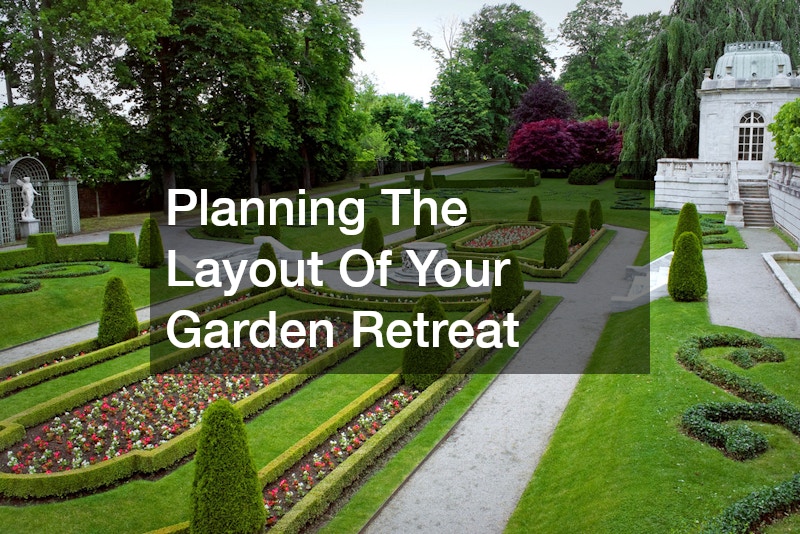
A successful garden retreat begins with a well-organized layout that guides how the space is used and experienced. Planning the layout allows homeowners to visualize how different areas of the yard can work together to create a balanced and inviting environment. Walkways, seating areas, open spaces, and focal points should all be positioned in a way that encourages natural movement throughout the garden. A thoughtful layout can help maximize available space while also creating areas for relaxation, conversation, and quiet reflection.
When designing the layout, it is helpful to consider how sunlight, shade, and existing structures affect the yard throughout the day. Certain areas may be ideal for gathering spaces, while others may be better suited for decorative features or quiet corners. Dividing the yard into zones can help create a sense of organization and purpose while maintaining an open and welcoming atmosphere. These design decisions shape the overall flow of the garden and influence how visitors interact with the space.
Homeowners often visit a garden center to gather inspiration and materials when developing their layout plans. These locations can offer ideas for garden features, decorative elements, and structural additions that complement the overall design. Viewing different materials and displays in person can help homeowners better visualize how various components will look within their own outdoor space. With careful planning and creative inspiration, the layout of a garden retreat can become the foundation for a beautiful and functional backyard environment.
Preparing Soil And Ground Conditions
Healthy soil provides the foundation for a thriving garden retreat. Preparing the ground properly allows plants and landscape features to develop strong root systems and remain stable over time. Soil preparation may involve loosening compacted ground, improving drainage, and enriching the soil with nutrients that support healthy growth. Taking time to prepare the soil ensures that the garden can flourish and remain vibrant throughout changing seasons.
Ground preparation also helps create a more stable surface for pathways, seating areas, and decorative elements within the garden. Uneven terrain or poor drainage can lead to problems such as standing water or shifting landscape materials. Addressing these issues early allows homeowners to create a balanced and durable outdoor space. Proper grading and soil improvement contribute to both the appearance and long-term health of the garden environment.
Homeowners may seek guidance from a local garden center when selecting soil amendments, fertilizers, or other products that improve ground conditions. Knowledgeable staff can provide recommendations based on soil type, climate conditions, and the overall design of the garden. These resources help homeowners make informed decisions that support healthy soil and long-lasting landscape success. By investing time in proper ground preparation, homeowners can create a strong foundation for a garden retreat that continues to thrive over time.
Selecting Features For Visual Appeal
A garden retreat becomes more inviting when it includes features that add depth, texture, and visual interest. Decorative elements such as sculptures, water features, raised beds, or patterned stone can help create focal points that draw attention throughout the yard. These additions contribute to the overall character of the space and help establish a sense of balance between open areas and decorative details. Carefully selected features can also help guide visitors through the garden while creating moments of visual discovery.
Many homeowners explore options at a local plant store when choosing elements that enhance the garden’s appearance. These locations often provide inspiration through displays that show how different varieties, colors, and textures can work together to create a cohesive outdoor design.

Incorporating Shade And Natural Elements
Shade and natural elements play an important role in making a garden retreat comfortable during warm weather. Trees, pergolas, and other natural features can create cool spaces where people can relax and enjoy the outdoors. These elements also contribute to the overall beauty of the garden by adding layers of height and texture that complement surrounding features.
An arborist can provide valuable insight when incorporating trees and natural structures into the landscape. Their expertise helps homeowners select appropriate species, evaluate placement, and maintain long-term health so these features continue to provide shade and visual appeal throughout the garden.
Designing Paths And Walkways
Paths and walkways help guide movement throughout a garden retreat while adding structure to the overall design. Well-placed walkways make it easier to explore different areas of the yard and create a natural flow between seating spaces, focal points, and gathering areas. Materials such as stone, gravel, or pavers can also enhance the aesthetic appeal of the garden.
A landscaping company often assists homeowners in designing and installing pathways that complement the surrounding environment. Their experience with layout, materials, and installation techniques helps create durable walkways that blend seamlessly into the overall garden design.
Adding Comfortable Seating Areas
Comfortable seating areas help transform a backyard garden into a true retreat where homeowners and guests can relax and enjoy the surroundings. Seating provides a place to pause, take in the view, and spend time outdoors without feeling rushed. Whether positioned under shade, beside a garden feature, or along a pathway, thoughtfully placed seating helps encourage people to slow down and appreciate the environment. These areas can also serve as gathering spaces for conversations, outdoor meals, or quiet reflection.
When planning seating areas, homeowners should consider how the location affects comfort and privacy. Positioning seating where natural shade, gentle breezes, and appealing views are present can make the space more inviting. Surrounding seating with soft landscaping, decorative elements, or barriers can also help create a sense of enclosure and relaxation. These small design decisions help define the character of the garden retreat.
Installing home fencing around the property can also contribute to the comfort and functionality of seating areas. Fencing can help create a sense of privacy while also defining the boundaries of the garden space. In addition to providing security, it can reduce outside distractions and create a more peaceful atmosphere. With thoughtful placement and design, seating areas can become the heart of a backyard garden retreat.
Creating Focal Points Throughout The Garden
Focal points add structure and visual interest to a garden retreat by drawing attention to specific areas of the landscape. These features help guide the eye and create a sense of direction throughout the outdoor space. Garden sculptures, water features, decorative stones, or unique plant groupings can all serve as focal points that anchor the design. By thoughtfully placing these elements, homeowners can create balance while encouraging exploration throughout the garden.
Strategically positioned focal points can also help divide a larger yard into smaller, more intimate spaces. For example, a centerpiece in one area may lead visitors toward a pathway that reveals another decorative element farther along the garden. This layered design approach creates visual variety and keeps the space engaging.
Maintaining these focal points is equally important for preserving the beauty of the landscape. Tasks such as tree trimming can help keep surrounding vegetation from overshadowing decorative features or blocking important views. Regular care ensures that focal points remain visible and continue to contribute to the overall design. With proper placement and maintenance, focal points become memorable highlights that enhance the garden’s visual appeal.
Supporting Healthy Growth And Maintenance
Maintaining a garden retreat requires consistent care to keep the landscape looking vibrant and well-balanced. Routine maintenance helps support healthy growth while preventing issues that could affect the appearance and stability of the garden. Tasks such as watering, mulching, pruning, and monitoring plant health all contribute to the long-term success of the outdoor environment. With regular attention, homeowners can preserve the beauty and functionality of their backyard retreat.
Healthy gardens also depend on proper care of trees and larger landscape features that provide structure to the space. These elements influence shade patterns, soil conditions, and the overall balance of the landscape. When trees and shrubs are well maintained, they support the surrounding environment and contribute to a thriving outdoor setting.
Many homeowners rely on a tree care company to help maintain the health and safety of larger landscape elements. Professionals can evaluate tree conditions, recommend pruning strategies, and identify potential concerns before they become serious issues. Their expertise helps preserve the long-term stability of the garden while supporting the growth of surrounding plants and features. Consistent maintenance ensures the garden retreat continues to flourish year after year.
Enhancing Privacy And Tranquility
Privacy is an important factor when creating a garden retreat that feels calm and relaxing. When homeowners feel shielded from nearby activity, the outdoor space becomes more inviting and comfortable to spend time in. Features such as hedges, trellises, decorative panels, and strategic landscaping can help create natural barriers that soften noise and reduce visual distractions. These elements allow the garden to feel like a private escape rather than an extension of surrounding properties.
Thoughtful design can also help control how views enter and exit the garden space. Open areas may frame desirable scenery, while screening elements can block less appealing sights. By guiding these sightlines carefully, homeowners can shape the atmosphere of the garden and encourage a peaceful environment where relaxation comes naturally.
In some homes, the view from interior spaces also contributes to the overall garden experience. Windows that overlook the backyard allow natural light to enter the home while providing a clear view of the outdoor retreat. Positioning seating areas, pathways, or focal points where they can be seen from inside helps strengthen the visual connection between indoor living spaces and the surrounding garden.
Maintaining The Beauty Of Your Garden Space
A garden retreat requires ongoing attention to maintain its beauty and functionality throughout the year. Regular upkeep helps preserve the visual balance of the landscape while preventing small issues from becoming larger problems. Tasks such as removing debris, maintaining pathways, and monitoring plant health contribute to a well-kept outdoor environment that remains inviting for both homeowners and guests.
Seasonal care also plays an important role in preserving the garden’s appearance. Adjusting watering routines, refreshing mulch, and trimming overgrown areas help maintain the overall design and prevent clutter. These efforts keep the garden looking vibrant and organized while supporting the health of surrounding plants and features.
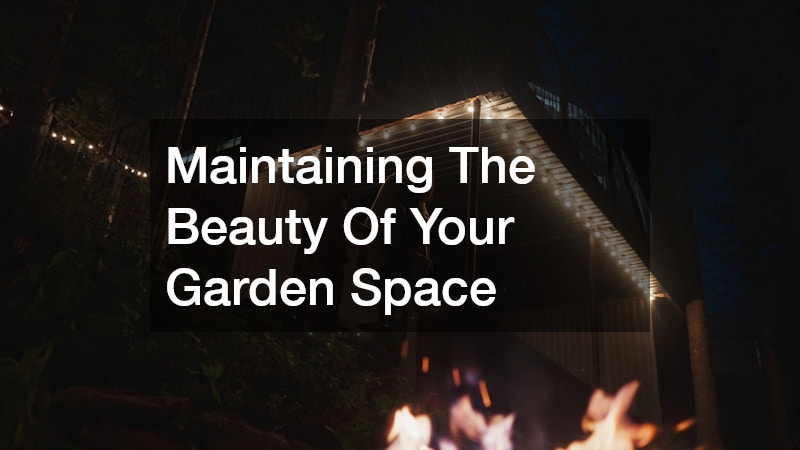
Professional landscape lighting services can further enhance the garden’s appearance by extending its beauty into the evening hours. Thoughtfully placed lighting highlights pathways, focal points, and seating areas while improving safety and visibility. Soft illumination can also create a relaxing nighttime atmosphere that allows homeowners to enjoy their garden retreat long after the sun sets.
Transforming a backyard into a garden retreat is a rewarding project that combines creativity, planning, and ongoing care. By carefully designing the layout, preparing the soil, and incorporating thoughtful features, homeowners can create an outdoor environment that feels both beautiful and welcoming. Each element of the landscape, from pathways and seating areas to shade features and focal points, contributes to the overall experience of the space.
A successful garden retreat also requires attention to long-term maintenance and thoughtful planning for privacy, lighting, and healthy growth. Regular upkeep helps preserve the balance and beauty of the landscape while supporting the health of the surrounding environment. With consistent care and thoughtful design choices, the garden can remain vibrant and enjoyable throughout changing seasons.