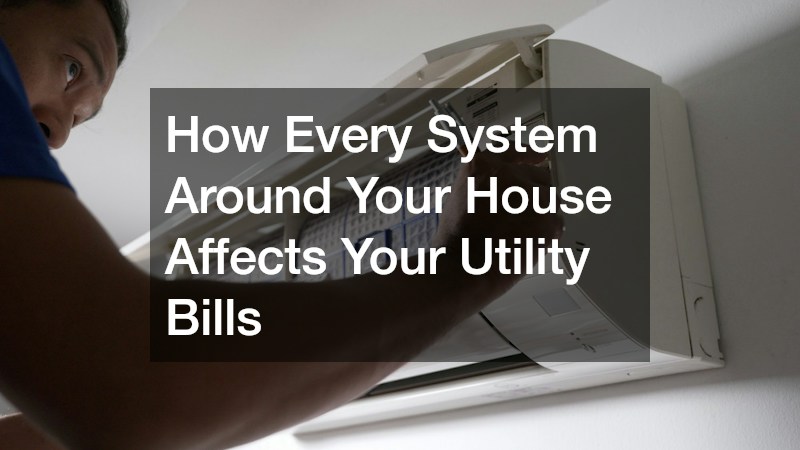
Your monthly utility bills are shaped by far more than your thermostat setting. Every structure and system attached to your home, from the roof over your head to the pipes beneath your yard, plays a role in how much energy and water you use. Understanding these connections can help you spot waste, prioritize repairs, and make smarter upgrades. This guide walks through the major home systems that quietly drive your costs up or down.
Heating and Cooling Systems That Waste Energy
Your HVAC system is usually the single biggest factor in your utility bills, often accounting for 40 to 50 percent of total household energy use. An aging furnace or air conditioner has to work harder to maintain the same temperature, which shows up directly on your monthly statement. Units nearing the end of their 15 to 20 year lifespan can lose significant efficiency, sometimes burning 20 percent more energy than a well-maintained system just to produce the same results. Scheduling regular heating repair before winter hits can catch small issues, like a clogged filter, failing igniter, or cracked heat exchanger, before they turn into expensive breakdowns or emergency calls. A dirty filter alone can force a system to work up to 15 percent harder, while leaky ductwork can waste another 20 to 30 percent of conditioned air before it ever reaches your living space. Thermostat habits matter too. Constantly adjusting the temperature or running the system at extreme settings forces the compressor and blower motor to cycle more often, adding wear and driving up costs. A programmable or smart thermostat, paired with routine professional tune-ups, helps the whole system run at peak efficiency and keeps small mechanical issues from snowballing into costly replacements.
Beyond repairs, the age and maintenance history of your equipment matter just as much as the brand or size. A furnace or air conditioner loses efficiency gradually, often shedding 1 to 2 percent of its performance every year it goes without professional service. By the time a unit hits the 12- to 15-year mark, that decline can add up to a noticeable jump in monthly utility costs, even if the system seems to be running fine. A well-established heating company can evaluate whether your system is still running efficiently or if it is quietly draining money every time it cycles on. Technicians typically check refrigerant levels, blower motor condition, ductwork leaks, and airflow restrictions, all of which force equipment to work harder than necessary. A dirty coil or a clogged filter alone can increase energy use by 10 to 15 percent without ever tripping an obvious warning sign. Many homeowners are surprised to learn that a unit which still technically works can cost twice as much to operate as a newer, properly sized model. An oversized or aging system also tends to cycle on and off more frequently, which shortens its lifespan while spiking energy consumption during each startup. Getting a professional efficiency assessment every few years is often the only way to catch these hidden costs before they show up as a larger bill.
- Replace furnace filters every one to three months; a clogged filter forces the system to work harder, driving up energy use
- Schedule annual tune-ups before peak heating and cooling seasons to catch worn parts, refrigerant leaks, or calibration issues early
- Seal visible gaps around ductwork with mastic sealant or metal tape, since leaky ducts can waste up to 30% of conditioned air
- Consider a programmable or smart thermostat to automatically reduce runtime during work hours or overnight
- Check insulation around vents and exposed ducts in attics, basements, or crawl spaces, where heat loss is often highest
- Keep vents and registers unblocked by furniture or curtains so air circulates efficiently throughout the house
Roofing Condition and Attic Insulation
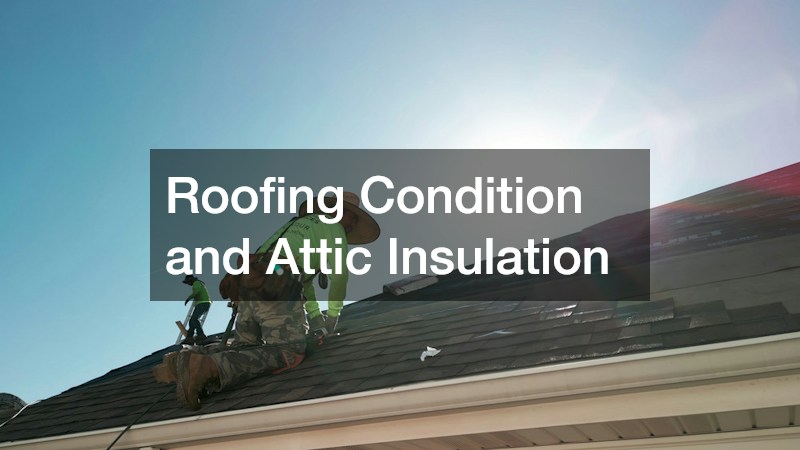
Your roof does more than keep rain out; it plays a major role in regulating indoor temperature. A damaged or aging roof allows conditioned air to escape and outside heat or cold to seep in, forcing your HVAC system to compensate around the clock. The Department of Energy estimates that poor attic insulation and air sealing can waste 10-20% of a home’s heating and cooling energy, which shows up directly on your monthly bill. Experienced roofers can identify small issues like cracked flashing or missing shingles that let air and moisture infiltrate your attic space. Left unchecked, these minor gaps can widen into bigger problems, allowing rain intrusion that damages insulation and reduces its effectiveness by as much as half. Attic insulation matters just as much as the roof itself. Most experts recommend an R-value between R-38 and R-60 for attics in moderate to cold climates, yet many older homes fall well short of that standard. Thin or compressed insulation lets heat rise straight through your ceiling in winter and lets attic heat bake down into living spaces in summer. A yearly inspection covering both roofing condition and insulation depth can catch these issues early. Simple fixes, such as sealing gaps around vent stacks or adding a few extra inches of insulation, often pay for themselves within a couple of heating seasons through lower utility costs.
Your roof and attic work as a team to regulate indoor temperature, and neglecting either one drives energy waste year-round. Missing shingles, cracked flashing, or worn underlayment let conditioned air escape and outdoor temperatures seep in, forcing your HVAC system to work overtime. A few localized leaks might be worth patching, but once damage spreads across multiple sections of the roof, repeated repairs become a losing game financially. When damage becomes widespread, patch repairs stop being cost effective and a full roof replacement becomes the smarter long-term investment. Modern roofing materials come with improved reflective coatings and better insulation properties that can noticeably reduce cooling costs in warmer months. Architectural shingles, metal roofing, and reflective membrane systems can lower attic temperatures by 20 to 30 degrees compared to older, sun-absorbing materials. Attic insulation deserves equal attention, since even a brand-new roof can’t compensate for insulation that’s thin, compressed, or improperly installed. The Department of Energy recommends an R-value between R-38 and R-60 for most attics, depending on climate zone, yet many older homes fall well short of that benchmark. Adding insulation in the form of blown-in cellulose or fiberglass batts is often one of the most affordable upgrades a homeowner can make relative to the energy savings it delivers. Combining new roofing with proper attic insulation and ventilation creates a more complete thermal barrier for the entire house. Ridge vents, soffit vents, and balanced airflow prevent heat and moisture buildup that can degrade shingles and insulation alike from the inside out. Together, these upgrades reduce strain on heating and cooling systems, extend the lifespan of the roof itself, and translate directly into lower utility bills throughout the year.
- Check attic insulation depth at least once a year; most homes need 10-14 inches (R-38 to R-49) for adequate energy efficiency
- Look for daylight through the roof boards as a warning sign of gaps that let heat and cooled air escape
- Inspect for water stains on ceilings after heavy storms, since trapped moisture ruins insulation’s effectiveness
- Ensure attic vents are not blocked by insulation, which disrupts airflow and can trap heat that raises cooling costs
- Watch for missing, curled, or cracked shingles, as damaged roofing lets outside air infiltrate and strains HVAC systems
- Consider a professional energy audit every few years to pinpoint hidden insulation gaps or roof leaks not visible from inside
Windows and Doors That Leak Air
Windows and doors are notorious weak points for energy loss, especially in older homes with single-pane glass or worn weatherstripping. Air leaks around frames force your heating and cooling systems to run longer, and drafts near windows are one of the most common complaints from homeowners trying to figure out why their bills keep climbing. Upgrading to hurricane windows offers a dual benefit for many homeowners, since these impact-resistant units are typically built with multiple panes and improved seals that also boost energy efficiency.
Beyond storm protection, the tighter construction of impact-rated windows helps maintain consistent indoor temperatures throughout the year. This means your HVAC system does not have to fight against constant air infiltration, which can translate into meaningful savings over time. Even without a full window replacement, simple fixes like caulking and new weatherstripping can make a noticeable difference.
- Feel for drafts around window frames on windy days
- Check caulking and weatherstripping for cracks or gaps
- Consider thermal curtains for older single-pane windows
- Look into energy rebates that may apply to window upgrades
Plumbing Fixtures and Water Heater Efficiency

Water usage habits and equipment age both factor into your utility bills in ways many homeowners overlook. An older water heater loses efficiency over time as sediment builds up in the tank, forcing it to use more energy to heat the same amount of water. Low-flow fixtures and fixing small leaks promptly can also meaningfully cut down on both water and energy costs each month.
- Flush your water heater tank annually to remove sediment
- Fix dripping faucets as soon as they appear
- Install low-flow showerheads and faucet aerators
- Consider a tankless water heater for on-demand efficiency
Septic Systems and Wastewater Management
If your home relies on a septic system rather than municipal sewer service, its condition directly affects both your utility costs and your property’s long-term value. A neglected tank can back up, overflow, or require emergency service that costs far more than routine care. Scheduling septic tank pumping every three to five years, depending on household size and usage, helps prevent costly failures and keeps the entire system functioning as designed.
Ignoring septic maintenance does not just risk a messy backup; it can also lead to groundwater contamination and expensive drain field repairs. Household habits, like avoiding excessive garbage disposal use and spacing out laundry loads, can extend the life of your system between service visits. Staying proactive here is one of the more overlooked ways homeowners protect both their budget and their property.
- Track your last pumping date and set a reminder for the next
- Avoid flushing wipes, grease, or chemicals down drains
- Keep heavy vehicles off the drain field area
- Watch for soggy patches or odors near the tank location
Outdoor Structures Like Porches and Decks

Outdoor additions might not seem connected to utility bills at first glance, but shaded structures can meaningfully reduce indoor cooling costs. A well-placed front porch builder can design an overhang that blocks direct summer sun from hitting windows and exterior walls, reducing heat transfer into the home. This kind of passive shading works alongside your HVAC system rather than against it, easing the load during the hottest months.
Beyond energy savings, well-built outdoor living spaces can also improve airflow around the house when designed thoughtfully. Covered porches create a buffer zone that keeps direct sunlight off entry doors, which are another common source of heat gain. Homeowners planning an outdoor renovation should consider orientation and roof overhang length as functional features, not just aesthetic choices.
- Position porches to block afternoon sun exposure
- Use ceiling fans on covered porches to improve airflow
- Choose light-colored roofing materials to reflect heat
- Add lattice or screening to reduce direct sun on windows
Fencing and Landscaping That Affect Airflow
Fencing might seem purely decorative, but the placement and material of your fence can influence wind patterns around your home. A solid privacy fence can block cooling breezes in summer or create wind tunnels that increase heat loss in winter, depending on its layout. Consulting a knowledgeable fence company about material choice and placement can help you avoid accidentally trapping heat against your home’s exterior walls.
Landscaping choices work alongside fencing to either help or hurt your energy efficiency. Strategically placed trees and shrubs can provide natural shade in summer while allowing sunlight through in winter once leaves drop. Thinking about airflow and shade holistically, rather than treating fences and plants as separate decisions, gives you more control over your home’s natural temperature regulation.
- Choose fence materials and heights based on local wind patterns
- Plant deciduous trees on the sunniest side of the house
- Avoid dense shrubbery directly against exterior walls
- Leave clearance around HVAC units for proper airflow
Pest Infestations That Damage Efficiency
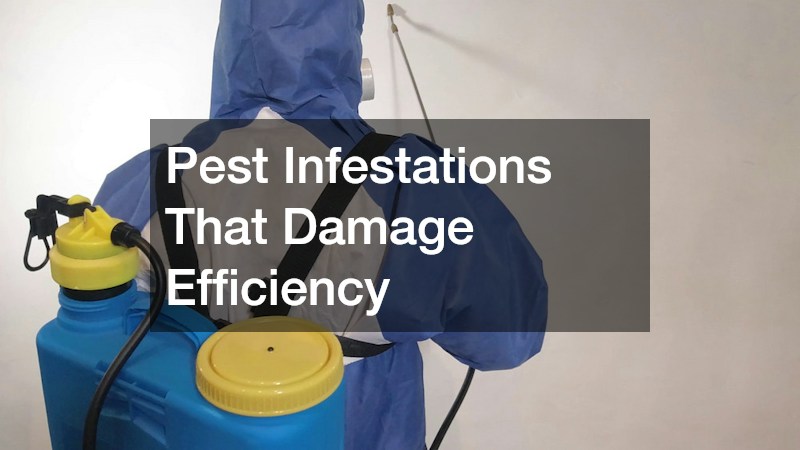
Pests are not usually the first thing people associate with utility bills, but infestations can cause real damage to insulation, ductwork, and wiring. Rodents chewing through duct insulation or nesting in attic spaces can create air leaks that force your heating and cooling systems to work overtime. Reputable pest control companies can identify entry points and damage before it escalates into a larger energy efficiency problem.
Termites and carpenter ants can also compromise structural wood around windows, doors, and rooflines, indirectly creating the same air leak issues caused by general wear and aging materials. Regular inspections catch these problems early, often before homeowners notice any change in comfort or cost. Treating pest prevention as part of routine home maintenance protects both your structure and your energy efficiency.
- Schedule annual pest inspections, especially in attics and crawl spaces
- Seal exterior gaps that provide pest entry points
- Watch for chewed wiring or insulation as early warning signs
- Address moisture issues that attract termites and rodents
Your utility bills tell a story about the condition of nearly every system attached to your home, from the roof and windows down to the septic tank and fencing. Rather than reacting only when a bill spikes, take time to walk through each of these areas and note anything that looks worn, outdated, or inefficient. Small, proactive fixes now can prevent much larger expenses later, while also making your home more comfortable year-round. Start with the systems that seem most overdue for attention, and build a simple maintenance schedule you can follow going forward.