Key Takeaways
- Modern residential design is shifting toward simpler, cleaner architectural forms that prioritize function, longevity, and visual balance over excessive detailing.
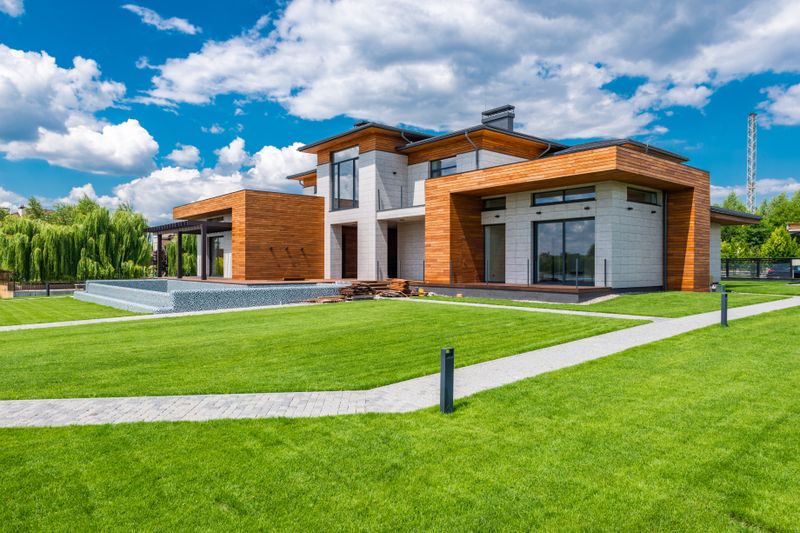
- Natural materials such as wood, stone, brick, and concrete are becoming central design elements because they add texture, durability, and a more authentic aesthetic.
- Dark, bold exterior tones combined with natural accents are increasingly popular, creating a strong contrast while still maintaining a warm, balanced look.
- Larger windows and expansive glass features are being used more frequently to maximize natural light and strengthen indoor–outdoor connections.
- Outdoor living spaces are now considered essential extensions of the home, with patios, lounges, and outdoor kitchens enhancing usability and lifestyle value.
- Smart technology is playing a growing role in exterior design, improving convenience, security, and energy efficiency through automated systems and connected devices.
- Sustainability is a major driver of design decisions, with homeowners favoring energy-efficient materials, eco-friendly landscaping, and long-lasting construction solutions.
A home’s exterior does far more than create a first impression. It protects the structure from the elements, influences energy efficiency, and contributes significantly to property value. As homeowners continue to prioritize both aesthetics and functionality, exterior design trends are evolving to reflect changing lifestyles, technological advancements, and environmental concerns.
This year, modern exterior design is characterized by clean architectural lines, sustainable materials, smart technology integration, and thoughtful outdoor living spaces. Rather than focusing solely on appearance, homeowners are embracing designs that offer long-term durability, lower maintenance requirements, and enhanced comfort. These trends are reshaping neighborhoods and influencing how builders, architects, and homeowners approach residential design.
Whether you’re planning a full-scale renovation, building a new home, or simply looking for inspiration, understanding the latest exterior design trends can help you make informed decisions. From striking material combinations to energy-efficient upgrades, today’s most popular exterior features balance visual appeal with practical performance. Below, we explore the key trends defining modern homes this year and why they continue to gain popularity among homeowners seeking a fresh and sophisticated look.
Why are Homeowners Moving Toward Simpler and More Functional Designs?
Modern exterior design has increasingly embraced simplicity, but this trend is about much more than minimalism. Homeowners are seeking designs that reduce visual clutter while maximizing functionality. The goal is to create an exterior that feels timeless rather than trendy, allowing the home to maintain its appeal for years to come.
Architects and designers are moving away from overly ornate details and focusing instead on intentional design choices. Every feature serves a purpose, whether it enhances energy efficiency, improves durability, or contributes to a cohesive aesthetic. This approach results in homes that feel polished, sophisticated, and easier to maintain.
Several characteristics define this movement toward simplicity:
- Clean geometric forms that create visual balance.
- Streamlined rooflines that enhance contemporary appeal.
- Strategic placement of windows for natural light.
- Minimal decorative elements that avoid visual overload.
- Functional outdoor spaces that are integrated into the overall design.
This design philosophy appeals to homeowners because it combines practicality with elegance. The result is a home that feels modern without appearing excessive or temporary.
The Rise of Bold Yet Natural Color Palettes
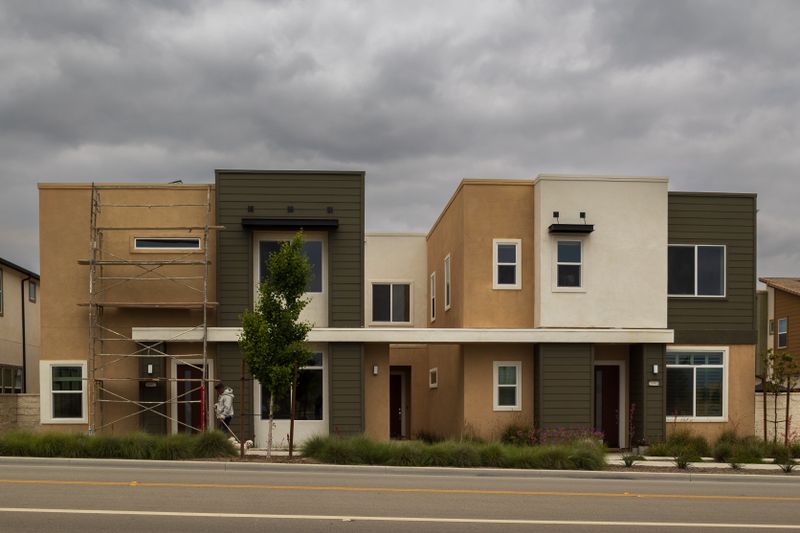
Color remains one of the most impactful elements of exterior design. This year, homeowners are moving beyond traditional beige and white palettes and exploring combinations that create visual interest while maintaining sophistication.
Many modern homes now feature darker exterior tones paired with natural materials. Deep charcoal, matte black, warm gray, and rich earth tones are increasingly popular because they provide contrast and highlight architectural details. At the same time, natural wood accents soften these darker shades and add warmth to the overall appearance.
Popular color combinations include:
- Charcoal siding with cedar accents.
- Soft gray exteriors paired with black trim.
- White facades combined with natural stone.
- Earth-toned finishes complemented by warm wood features.
- Matte black details on neutral-colored homes.
These combinations create a balanced appearance that feels contemporary while maintaining a connection to nature.
How are Natural Materials Influencing Exterior Design?
The desire for authenticity and sustainability has increased demand for natural building materials. Homeowners are looking for textures and finishes that add character while helping their homes blend seamlessly into their surroundings.
Natural materials provide visual depth that synthetic alternatives often struggle to replicate. Stone, wood, brick, and concrete continue to dominate modern exterior design because they offer both durability and aesthetic value.
Common applications include:
- Stone accent walls around entrances.
- Wood soffits and decorative cladding.
- Exposed concrete architectural features.
- Mixed-material facades combining stone and siding.
- Brick details that are incorporated into modern designs.
These materials create contrast and texture while reinforcing the home’s structural integrity. They also age gracefully, making them attractive long-term investments.
Larger Windows and More Natural Light
Natural light has become a major priority in residential design, influencing both interior and exterior architecture. Larger windows are helping homeowners create stronger connections between indoor and outdoor spaces.
Modern homes increasingly feature expansive glass surfaces that allow sunlight to penetrate deeper into living areas. These windows also contribute to cleaner exterior aesthetics by emphasizing openness and simplicity.
Benefits of larger windows include:
- Increased natural lighting throughout the home.
- Improved energy efficiency when paired with modern glazing technologies.
- Enhanced views of surrounding landscapes.
- Greater visual connection between indoor and outdoor spaces.
- A more contemporary architectural appearance.
Designers often combine floor-to-ceiling windows with minimalist frames to maximize visibility while maintaining sleek exterior lines.
Outdoor Living Areas Continue to Expand
Today’s homeowners view outdoor spaces as extensions of their interiors rather than separate environments. This shift has significantly influenced exterior design trends, encouraging the creation of functional outdoor living areas.
Modern homes now incorporate features that support relaxation, entertainment, and everyday living outdoors. Covered patios, outdoor kitchens, fire features, and lounge areas have become increasingly common.
Popular outdoor additions include:
- Multi-functional patios.
- Outdoor dining spaces.
- Built-in seating arrangements.
- Pergolas and shade structures.
- Integrated landscape lighting.
These features increase usable square footage while improving overall property enjoyment. They also contribute to higher resale value by enhancing lifestyle appeal.
Smart Technology is Becoming Part of the Exterior
Technology is no longer confined to a home’s interior. Modern exteriors increasingly incorporate smart features designed to improve convenience, security, and efficiency.
Homeowners appreciate technologies that allow them to monitor and control various exterior systems remotely. These solutions provide practical benefits while supporting contemporary lifestyles.
Common smart exterior features include:
- Video doorbell systems.
- Smart outdoor lighting.
- Automated irrigation systems.
- Remote-controlled gates.
- Integrated security cameras.
As smart home adoption continues to grow, these technologies are becoming standard components of modern exterior design.
Sustainable Design is Driving Decision-Making
Environmental awareness is influencing nearly every aspect of residential construction and renovation. Homeowners are increasingly prioritizing sustainable solutions that reduce environmental impact while lowering operating costs.
Sustainable exterior design focuses on durability, energy efficiency, and resource conservation. These principles often align naturally with modern design aesthetics.
Examples of sustainable exterior improvements include:
- Energy-efficient windows and doors.
- Recycled building materials.
- Solar-ready roofing systems.
- Permeable paving solutions.
- Native landscaping practices.
By adopting these strategies, homeowners can reduce maintenance requirements while creating environmentally responsible properties.
What Roofing Styles are Defining Modern Homes?
Roof design plays a crucial role in shaping a home’s overall appearance. Contemporary roofing trends emphasize simplicity, durability, and architectural cohesion.
Flat and low-slope roofs remain popular in modern architecture due to their clean profiles and minimalist appeal. However, many homeowners are also embracing updated versions of traditional roof styles that complement contemporary exteriors.
Current roofing trends include:
- Standing seam metal roofing.
- Flat roof designs.
- Low-pitch rooflines.
- Dark-colored roofing materials.
- Solar-compatible roofing systems.
These options offer both visual appeal and long-term performance benefits, making them attractive choices for modern homes.
The Growing Popularity of Mixed Textures
One of the most defining characteristics of modern exterior design is the strategic use of contrasting materials and textures. Rather than relying on a single material throughout the facade, designers are creating layered visual experiences.
Texture combinations add depth and sophistication without introducing unnecessary complexity. This approach allows homes to appear modern while retaining warmth and personality.
Popular combinations include:
- Wood and metal.
- Stone and stucco.
- Brick and fiber cement siding.
- Concrete and glass.
- Dark siding with natural wood accents.
The careful balance of these materials creates visual interest that enhances curb appeal from every angle.
Landscaping as an Architectural Feature
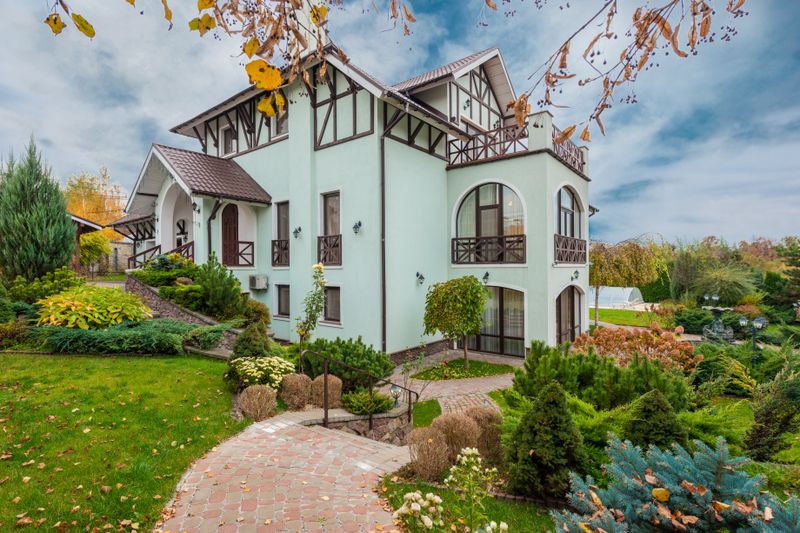
Landscaping is increasingly viewed as an integral component of exterior design rather than a finishing touch. Modern landscapes complement architectural elements and contribute to the home’s overall visual identity.
Designers are emphasizing clean lines, structured planting arrangements, and low-maintenance vegetation. Native plants and drought-resistant landscaping continue to gain popularity due to their sustainability benefits.
Modern landscape features often include:
- Geometric planting beds.
- Decorative stone pathways.
- Native grasses and shrubs.
- Outdoor lighting systems.
- Water-efficient irrigation solutions.
When thoughtfully designed, landscaping can dramatically enhance a home’s exterior appearance while reducing maintenance demands.
Enhancing Performance Alongside Appearance
Modern homeowners recognize that exterior improvements should deliver more than visual benefits. Performance considerations such as weather resistance, energy efficiency, and maintenance requirements are increasingly influencing renovation decisions.
Investing in the right home exterior projects allows homeowners to improve both the appearance and functionality of their properties. Upgrades that strengthen structural protection while enhancing aesthetics often provide the greatest long-term value.
Examples include:
- High-performance siding systems.
- Advanced window technologies.
- Impact-resistant roofing materials.
- Durable exterior coatings.
- Weather-resistant outdoor living structures.
These improvements help homeowners protect their investments while maintaining a contemporary appearance.
How Is Exterior Lighting Transforming Curb Appeal?
Lighting has become one of the most effective tools for enhancing a home’s exterior after dark. Modern lighting solutions improve safety while highlighting architectural features and landscape elements.
Rather than relying on a single fixture, homeowners are using layered lighting strategies that create depth and visual interest. Carefully placed lighting can dramatically alter a home’s nighttime appearance.
Popular exterior lighting applications include:
- Pathway illumination.
- Accent lighting for architectural details.
- Landscape lighting.
- Wall-mounted sconces.
- Smart programmable fixtures.
These lighting systems contribute to security while creating a welcoming atmosphere.
Garages are Becoming Design Statements
For many years, garages were treated as purely functional structures. Today, they play a much larger role in exterior design.
Modern garage doors are available in a wide variety of materials, finishes, and configurations that complement contemporary architecture. Glass-paneled doors, wood-look finishes, and minimalist hardware have become increasingly popular.
Key garage design trends include:
- Flush-panel doors.
- Full-view glass doors.
- Custom wood finishes.
- Dark color palettes.
- Integrated smart technology.
These upgrades help transform garages into attractive architectural features rather than visual afterthoughts.
Looking Ahead: What Will Continue to Shape Exterior Design?
The evolution of exterior design reflects broader changes in homeowner priorities. As technology advances and sustainability concerns grow, future trends will likely emphasize efficiency, adaptability, and environmental responsibility even further.
Many of the trends defining homes today are expected to remain influential because they address practical needs while supporting modern aesthetics. Homeowners increasingly value solutions that improve comfort, reduce maintenance, and enhance long-term property value.
Future developments may include:
- Greater adoption of renewable energy systems.
- Increased use of sustainable building materials.
- More sophisticated smart home integration.
- Enhanced weather-resistant construction methods.
- Flexible outdoor living environments.
The homes that stand out this year are those that successfully combine beauty, performance, and innovation.
Conclusion
Modern home exterior design is no longer solely about appearances. Today’s trends reflect a broader emphasis on sustainability, functionality, technology, and long-term value. Clean architectural lines, natural materials, expansive windows, outdoor living spaces, and smart features are redefining what homeowners expect from their properties.
As these trends continue to evolve, the most successful exterior designs will be those that balance visual appeal with practical performance. Whether updating a few key elements or undertaking a complete renovation, homeowners have more opportunities than ever to create exteriors that are beautiful, efficient, and built to meet the demands of modern living. By understanding the trends shaping homes this year, property owners can make informed decisions that enhance both their lifestyle and their investment for years to come.