That old dial thermostat on your wall might feel like a harmless relic, but it could be quietly draining your budget every single day. Outdated temperature controls often overheat, overcool, and mistime your system, forcing your furnace and air conditioner to work far harder than necessary. Before you write off high energy bills as unavoidable, it is worth understanding exactly how much waste an aging thermostat can cause. This article breaks down where that hidden energy loss comes from and what you can do to stop it.
Temperature Swings From Manual Dial Thermostats
Manual dial thermostats rely on mechanical mercury switches or bimetallic coils that can drift several degrees off from what you actually set. This means your home might swing between being too warm and too cold before the system kicks on or shuts off, wasting energy with every cycle. Over the course of a day, these swings add up to significant runtime that never actually improves comfort. A properly calibrated digital thermostat keeps temperatures within a much tighter range, reducing unnecessary heating and cooling cycles.
Homeowners often notice this problem only after comparing utility bills month over month without an obvious cause. If your energy costs seem inconsistent with your usage habits, an inaccurate thermostat could be the hidden culprit. This is one of the more common issues technicians uncover during routine HVAC service calls.
Constant Cycling That Overworks Your Equipment
Older thermostats often lack the precision to know when to stop calling for heat or cooling, so your system cycles on and off far more frequently than it should. Every start-up draws a burst of extra electricity, and frequent cycling puts additional strain on motors, compressors, and blowers. Over months and years, this added wear can shorten the lifespan of equipment that would otherwise run efficiently for well over a decade. Short cycling is also a leading reason people end up needing unplanned HVAC repairs sooner than expected.
- Rapid on-off cycling increases wear on compressors and blower motors
- Short cycles waste energy without meaningfully improving comfort
- Excess strain can lead to premature part failure
- Consistent cycling patterns are easier to diagnose with digital controls
Inaccurate Sensors That Mislead Your System
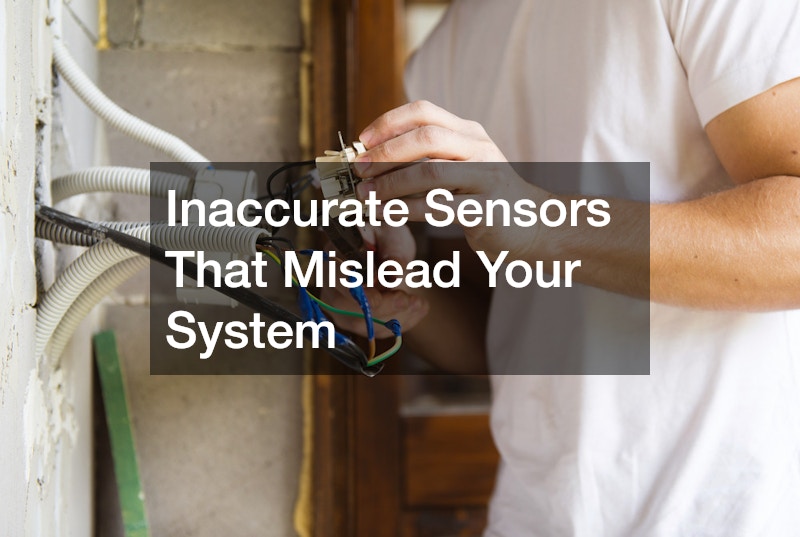
Many decades-old thermostats use aging sensors that lose accuracy over time, sometimes reading several degrees warmer or cooler than the actual room temperature. When the sensor is wrong, your system either runs longer than necessary or shuts off before the space is truly comfortable. This constant misreading translates directly into wasted energy, even if you never touch the settings. A licensed HVAC company can test sensor accuracy quickly and tell you whether replacement is worthwhile compared to recalibration.
It is easy to assume a thermostat is working fine simply because the display shows a number, but that number is only as good as the sensor behind it. Dust buildup, aging components, and even wall placement can all affect sensor readings. If one room always feels off compared to the thermostat’s reading, this could be a sign of underlying sensor drift rather than a ductwork issue.
Missing Scheduling Features That Waste Overnight Energy
Non-programmable thermostats keep your home at the same temperature all day and night, regardless of whether anyone is home or asleep. This means your furnace or air conditioner works just as hard at 3 a.m. when everyone is under blankets as it does at 6 p.m. when the whole family is active. Programmable and smart thermostats allow small, automatic setbacks during sleeping or away hours that barely affect comfort but noticeably reduce runtime. Over a full year, this scheduling gap alone can account for a meaningful share of total energy waste.
- Setting back temperatures 7 to 10 degrees for eight hours can meaningfully cut energy use
- Manual thermostats cannot automate these adjustments
- Smart schedules adapt to weekday versus weekend routines
- Consistent scheduling reduces unnecessary equipment runtime
Poor Compatibility With Modern High Efficiency Systems
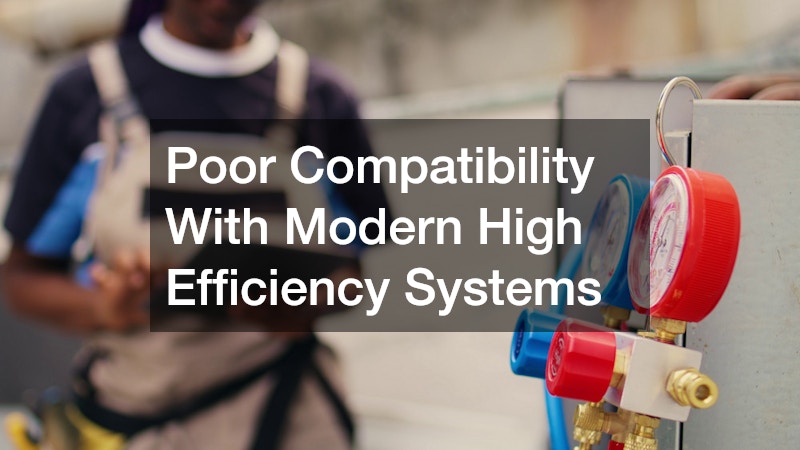
If you have upgraded your furnace or air conditioner in recent years but kept the original thermostat, there is a good chance the two are not communicating as efficiently as they could be. Many older thermostats were not designed to handle multi-stage heating or variable-speed blowers, so they treat sophisticated equipment like a simple on-off switch. This mismatch prevents newer systems from running at their most efficient settings, undercutting the very efficiency you paid for. This is a common finding during furnace installations, when technicians discover the new equipment is being limited by outdated controls.
Pairing modern equipment with an incompatible thermostat is a bit like putting regular fuel in a car built for premium. The system can still run, but it never reaches its intended performance or savings potential. Checking compatibility before or after an upgrade helps ensure you are not leaving efficiency on the table.
Hidden Costs That Show Up in Your Monthly Bill
It can be difficult to visualize how a few wasted degrees translate into real dollars, but small inefficiencies compound quickly across a full billing cycle. A thermostat running just two or three degrees off target for several hours a day can add measurable cost month after month. Multiply that by an entire heating or cooling season, and the numbers become hard to ignore. Many households only realize the scale of the problem after tracking their heating and air conditioning usage against actual thermostat performance.
- A few degrees of drift can translate into noticeably higher monthly bills
- Costs compound over an entire heating or cooling season
- Comparing bills year over year can reveal gradual thermostat decline
- Small daily waste adds up to a significant annual expense
Warning Signs Your Thermostat Needs Replacement
Certain symptoms make it fairly obvious that your thermostat is no longer doing its job efficiently, even without professional testing equipment. Unresponsive buttons, delayed temperature changes, or a display that seems to lag behind actual conditions are all red flags. Another telltale sign is a noticeable gap between the temperature shown on the thermostat and what a separate room thermometer reads nearby—anything more than two or three degrees off suggests a miscalibrated sensor.
If your system runs constantly but the room never feels quite right, the thermostat itself may be the weak link rather than the furnace or air conditioner. Short-cycling, where the HVAC system kicks on and off in rapid bursts of just a few minutes, often points to a faulty thermostat rather than a mechanical problem. Rooms that feel unevenly heated or cooled, or a system that seems to “overshoot” the set temperature by several degrees before shutting off, are additional clues worth paying attention to.
Age itself is a warning sign, even in the absence of obvious malfunction. Mechanical thermostats older than 10 years and digital models older than 8 years are prime candidates for replacement, since internal components like sensors and relays degrade gradually and lose accuracy long before they fail outright. If you’ve noticed rising energy bills without a corresponding change in usage habits or weather patterns, an aging or miscalibrated thermostat is often the hidden culprit.
Recognizing these signs early can save you from bigger problems down the road, including premature wear on your furnace or air conditioner caused by constant, unnecessary cycling.
- Buttons or dials that stick, feel loose, or fail to register changes when pressed
- Display screen that’s dim, flickering, or blank even with fresh batteries installed
- Rooms that feel too hot or cold despite the set temperature matching what you punched in
- Noticeable temperature swings of 5 degrees or more between what’s set and what you actually feel
- Visible cracking, yellowing, discoloration, or a housing that’s come loose from the wall mounting
- Frequent need for manual adjustment throughout the day just to maintain comfort
- HVAC system that short-cycles, turning on and off repeatedly instead of running steady, even cycles
- Higher-than-usual energy bills that can’t be explained by weather or seasonal usage changes
- Age of ten years or more with no digital, smart, or programmable upgrade
- Lack of Wi-Fi connectivity or app control, which limits your ability to track and adjust usage remotely
When to Call a Professional for an Inspection
While some thermostat issues are simple enough to diagnose yourself, others require a trained eye to separate a wiring problem from a system-wide inefficiency. An experienced AC contractor can test voltage, check compatibility, and confirm whether your equipment and controls are working together properly. This is especially useful if you have already tried basic troubleshooting without success. A professional visit often uncovers issues that go beyond the thermostat itself, including duct leaks or aging equipment.
Scheduling an inspection does not have to mean a major expense or a lengthy process. Many local AC repair services offer diagnostic visits specifically aimed at identifying inefficiencies like the ones described above. Getting a second opinion from a qualified technician can clarify whether a simple upgrade will solve the problem or whether other repairs are needed first.
Choosing a Replacement Thermostat for Your Home
Not every home needs the most expensive smart thermostat on the market, but choosing the right type matters more than people expect. Homes with multiple zones, variable-speed equipment, or smart home integration benefit from more advanced models, while simpler households may do fine with a basic programmable option. It is worth considering both your daily routine and your equipment type before making a decision. Many residential HVAC setups can be upgraded without rewiring the entire system, making this one of the more accessible efficiency improvements available.
- Basic programmable models suit simple, single-zone systems
- Smart thermostats work well for households with irregular schedules
- Multi-zone homes benefit from thermostats designed for zoning control
- Compatibility with existing wiring should be confirmed before purchase
Finding Reliable Help for Installation and Repairs
Once you decide to upgrade, choosing the right professional matters just as much as choosing the right thermostat. Reputable heating companies typically offer installation services that include compatibility checks, so you avoid the mismatch issues discussed earlier in this article. This step matters because a thermostat that isn’t wired correctly for your system’s voltage or stage configuration can lead to short cycling, uneven temperatures, or premature equipment failure.
When comparing local options, ask specific questions: Do they charge a flat rate or hourly fee? Is a post-installation walkthrough included so you understand programming and scheduling features? Look for licensed technicians with HVAC certifications, and check whether they carry insurance in case of accidental damage during the job.
Comparing a few options in your area allows you to weigh pricing, warranty coverage, and customer reviews before committing. A typical professional installation might run anywhere from $100 to $300 depending on wiring complexity, while smart thermostats with advanced features may push costs higher if additional wiring or a C-wire adapter is needed. Reading recent reviews, not just star ratings, can reveal how a company handles scheduling delays or follow-up repairs.
Taking time here prevents the frustration of hiring someone unqualified for a job that affects your entire comfort system. A few extra days spent vetting heating companies is a small price compared to the cost of redoing faulty work or dealing with a system that never quite performs as expected.
It also helps to ask directly about experience with your specific equipment brand and age, since older systems and smart thermostats often require different wiring knowledge and compatibility checks. A technician unfamiliar with your particular setup may need extra time to diagnose issues, which can add to labor costs. Don’t hesitate to ask how many similar installations they’ve completed in the past year.
Many local HVAC companies are happy to walk you through the process over the phone before scheduling a visit, which can help you gauge their expertise. During that call, ask about licensing, insurance, and whether they offer any warranty on labor or parts. It’s also worth asking for a rough estimate of costs and timeframes, since reputable companies are usually transparent about pricing upfront rather than waiting until the job is underway.
A quick conversation upfront often reveals whether a company is the right fit for your home’s particular setup. Pay attention to how clearly they explain the process and whether they answer your questions patiently, since good communication early on often reflects the quality of service you’ll receive later.
An outdated thermostat may seem like a minor detail, but the cumulative energy waste it causes can quietly inflate your bills year after year. By recognizing the warning signs and understanding how modern controls improve efficiency, you can make a confident, informed decision about upgrading. Whether you handle a simple swap yourself or bring in a professional for a full inspection, addressing this issue now can lead to noticeable savings almost immediately. Take a closer look at your current thermostat today, and consider whether it is finally time for an upgrade.